Always Stressed, Irregular Periods? The Silent Stress and PCOS Connection Explained
Published: 2 Jan 2026
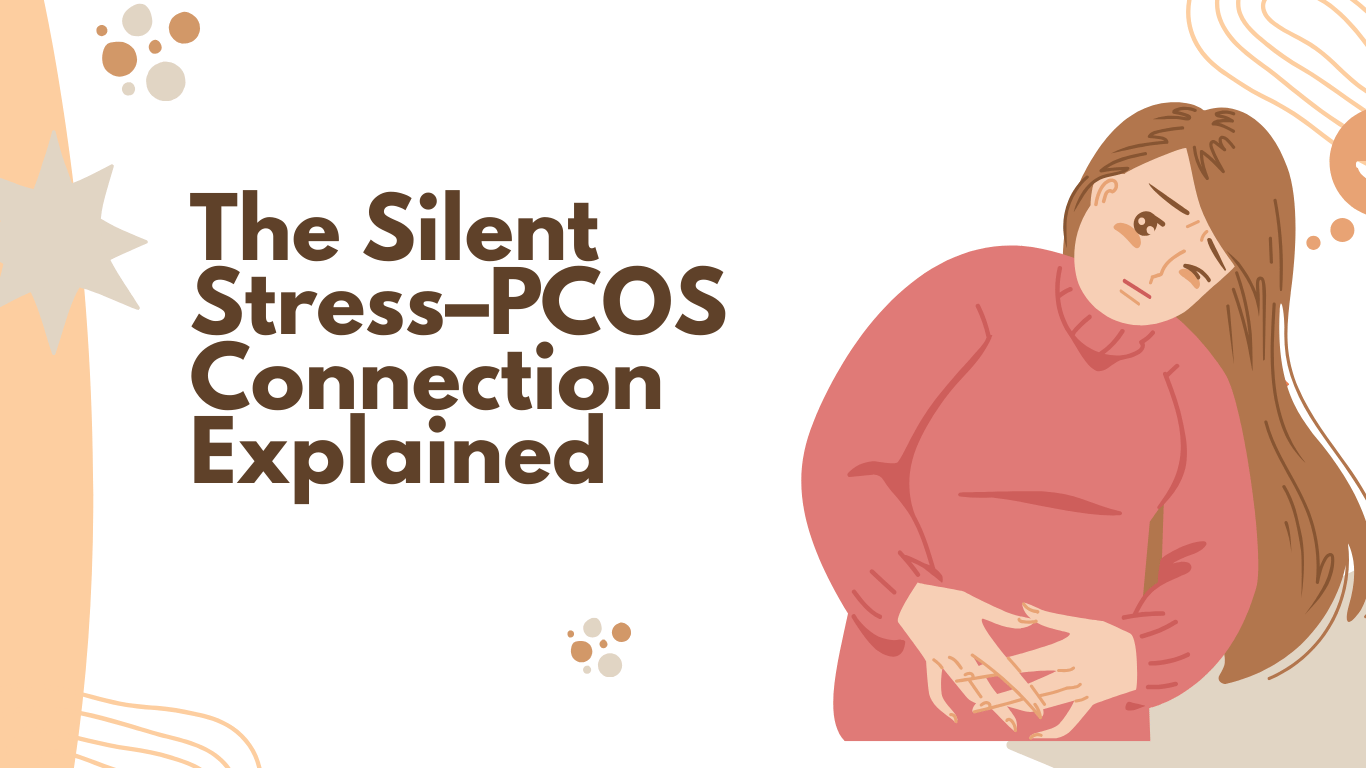
Introduction: Stress and PCOS
When Stress Becomes More Than Just a Feeling
Do you feel constantly stressed, emotionally drained, and frustrated by irregular periods?
You are not alone.
Many women with PCOS feel like their bodies are working against them. Periods disappear. Weight becomes harder to manage. Acne shows up uninvited. Fertility concerns create silent anxiety.
What often goes unnoticed is one powerful driver sitting quietly in the background. Chronic stress.
This is not just emotional stress. It is biological stress. And science now confirms that chronic stress can directly worsen hormonal imbalance, ovulation problems, and metabolic dysfunction in PCOS.
Let us talk about what is really happening inside your body.
Table of Contents
Understanding PCOS Beyond the Ovaries
PCOS, or Polycystic Ovary Syndrome, is not just a reproductive disorder.
According to research published in The Journal of Clinical Endocrinology and Metabolism, PCOS is a complex neuroendocrine and metabolic condition involving:
• The brain
• The adrenal glands
• Insulin signaling
• Inflammatory pathways
This means stress hormones and reproductive hormones constantly talk to each other.
When stress becomes chronic, that conversation turns harmful.
How Chronic Stress Affects Female Hormones
The HPA Axis Connection
When you are under stress, your body activates the hypothalamic-pituitary-adrenal axis, also known as the HPA axis.
This leads to increased release of cortisol, the primary stress hormone.
According to studies in Endocrine Reviews:
• Women with PCOS show higher baseline cortisol levels
• Their stress response is exaggerated even during minor stressors
This constant cortisol elevation disrupts the normal hormonal rhythm needed for ovulation.
Cortisol and Irregular Periods
Ovulation depends on a delicate hormonal sequence.
Chronic cortisol elevation can:
• Suppress GnRH signaling in the brain
• Reduce luteinizing hormone pulsatility
• Interfere with follicle maturation
The result is irregular or absent ovulation.
This explains why many women experience delayed periods or skipped cycles during prolonged stress.
Stress, Insulin Resistance, and PCOS
Insulin resistance is one of the strongest drivers of PCOS symptoms.
Research from Human Reproduction shows that chronic stress:
• Reduces insulin sensitivity
• Increases blood glucose levels
• Promotes abdominal fat storage
High insulin levels stimulate the ovaries to produce excess androgens.
This leads to acne, unwanted hair growth, scalp hair thinning, and cycle irregularity.
Stress and insulin resistance feed each other. This creates a cycle that becomes difficult to break without targeted intervention.
The Role of Inflammation
PCOS is associated with low-grade chronic inflammation.
Chronic stress increases inflammatory markers such as:
• C-reactive protein
• Interleukin-6
• Tumor necrosis factor alpha
These inflammatory mediators further impair ovarian function and worsen insulin resistance.
Multiple studies confirm higher inflammatory burden in women with PCOS who report psychological stress.
Why Women With PCOS Feel Emotionally Overwhelmed
PCOS does not just affect the body. It affects identity, confidence, and emotional wellbeing.
Meta-analyses published in Psychoneuroendocrinology report:
• Higher rates of anxiety
• Increased risk of depression
• Poor stress tolerance
This emotional stress feeds back into the hormonal imbalance.
PCOS becomes a two-way condition. Physical symptoms create stress, and stress worsens physical symptoms.
Can Stress Trigger PCOS Symptoms?
Stress alone does not cause PCOS.
However, in genetically susceptible women, chronic stress can unmask or worsen symptoms.
Many patients report symptom onset after:
• Prolonged emotional trauma
• Burnout
• Sleep deprivation
• Major life transitions
Stress acts as a trigger, not the root cause.
Treatment: Managing PCOS by Treating Stress
PCOS management must move beyond pills alone.
1. Stress Regulation Is Medical Treatment
Clinical trials in Fertility and Sterility show that stress-reduction strategies can improve:
• Menstrual regularity
• Insulin sensitivity
• Androgen levels
Effective approaches include:
• Mindfulness-based stress reduction
• Gentle daily movement
• Consistent sleep timing
• Cognitive behavioural therapy
2. Nutrition That Calms the Stress Response
Balanced meals help stabilize cortisol and insulin.
Focus on:
• Protein at every meal
• Complex carbohydrates
• Omega-3 fatty acids
• Magnesium-rich foods
Avoid extreme calorie restriction. It raises cortisol further.
3. Movement Without Overtraining
Excessive high-intensity exercise can worsen stress hormones in PCOS.
Evidence supports:
• Walking
• Strength training
• Yoga
• Pilates
Consistency matters more than intensity.
4. Medical Support When Needed
Pharmacological support may include:
• Insulin sensitizers
• Hormonal regulation
• Nutrient correction
These should always be individualized by a qualified healthcare professional.
5. My Go-To PCOS Support Tea (A Simple Ayurvedic-Inspired Recipe)
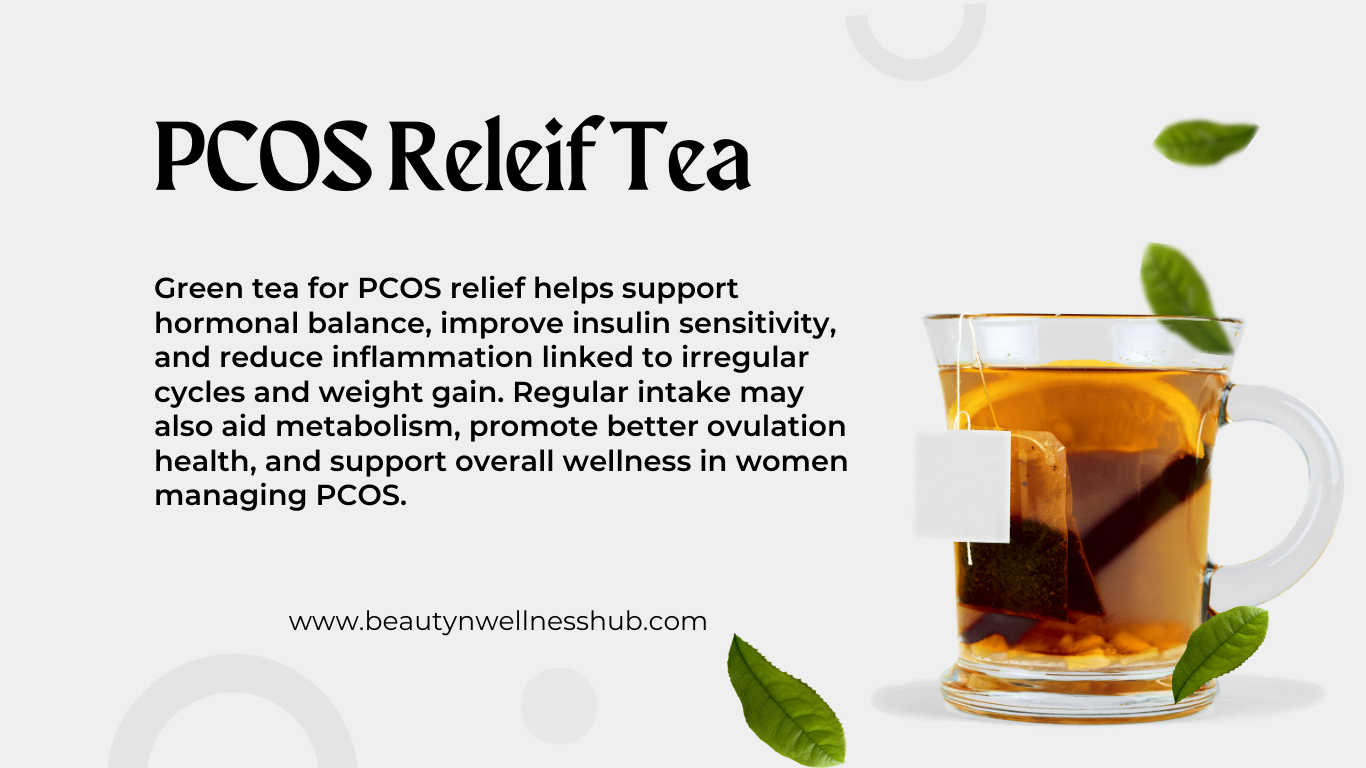
When my body feels inflamed, bloated, or hormonally off balance, this is the tea I come back to. I drank it regularly during phases of stress and cycle irregularity, and it became a grounding ritual rather than just a beverage.
This tea uses traditional spices known in South Asian households for digestive comfort, insulin sensitivity support, and stress soothing, all of which matter deeply in PCOS.
Ingredients
• 1 teaspoon ajwain (carom seeds)
• 1 teaspoon saunf (fennel seeds)
• 1 bari elaichi (black cardamom), lightly crushed
• 1 small tez patta (bay leaf)
• 1 whole star anise
• 1 small cinnamon stick
• 2 cups water
How to Prepare
1. Add all the ingredients to a saucepan with 2 cups of water.
2. Bring to a gentle boil.
3. Let it boil for 2 to 3 minutes.
4. Turn off the heat, cover, and let it steep for another 5 minutes.
5. Strain and drink warm.
When I Drink It
• Best taken in the evening or after meals
• 1 cup per day is enough
• Consistency matters more than quantity
Why These Ingredients Support PCOS
• Ajwain supports digestion and reduces bloating, a common PCOS complaint
• Saunf helps calm gut spasms and may support estrogen balance
• Black cardamom aids metabolism and reduces internal dampness
• Tez patta supports glucose metabolism
• Star anise has mild anti-inflammatory properties
• Cinnamon is well-studied for insulin sensitivity support in PCOS
This tea does not replace medication or medical care. Think of it as a daily nervous system and digestion support ritual, two systems that are often silently struggling in PCOS.
A Gentle Reminder
PCOS healing is not about one drink or one supplement. It is about small, repeatable habits that lower stress, improve insulin response, and support hormonal communication.
This tea was one of those habits for me.
| Key Takeaway |
|---|
|
PCOS is not just a hormonal disorder. Ignoring chronic stress means ignoring a core driver of irregular periods, insulin resistance, and hormonal imbalance. Healing PCOS requires calming the nervous system along with correcting metabolic and hormonal pathways. Your body is not broken. It is responding to prolonged pressure. For more wellness related content visit www.beautynwellnesshub.com |
Can stress alone cause PCOS?
No. PCOS has a genetic and metabolic basis. Stress can worsen symptoms and trigger expression in susceptible individuals.
Why do my periods disappear during stressful phases?
Stress suppresses ovulation by disrupting brain-ovary signaling and increasing cortisol levels.
Does reducing stress really help PCOS?
Yes. Clinical studies show improved cycle regularity and insulin sensitivity with stress management.
Is cortisol testing useful in PCOS?
In some cases, cortisol assessment helps understand adrenal contribution to symptoms.
Should PCOS treatment include mental health care?
Absolutely. Addressing emotional health improves hormonal outcomes.
References
1. Escobar-Morreale HF. Polycystic ovary syndrome. Endocrine Reviews.
2. Berga SL, et al. Stress and reproductive dysfunction. Journal of Clinical Endocrinology and Metabolism.
3. Vgontzas AN, et al. Stress, inflammation, and metabolic disorders. Psychoneuroendocrinology.
4. Teede HJ, et al. PCOS and metabolic health. Human Reproduction Update.
5. Norman RJ, et al. Lifestyle intervention in PCOS. Fertility and Sterility.





- Be Respectful
- Stay Relevant
- Stay Positive
- True Feedback
- Encourage Discussion
- Avoid Spamming
- No Fake News
- Don't Copy-Paste
- No Personal Attacks
- Be Respectful
- Stay Relevant
- Stay Positive
- True Feedback
- Encourage Discussion
- Avoid Spamming
- No Fake News
- Don't Copy-Paste
- No Personal Attacks
