7 Powerful Ways Mushrooms Can Sharpen Your Memory
Published: 20 Jan 2026
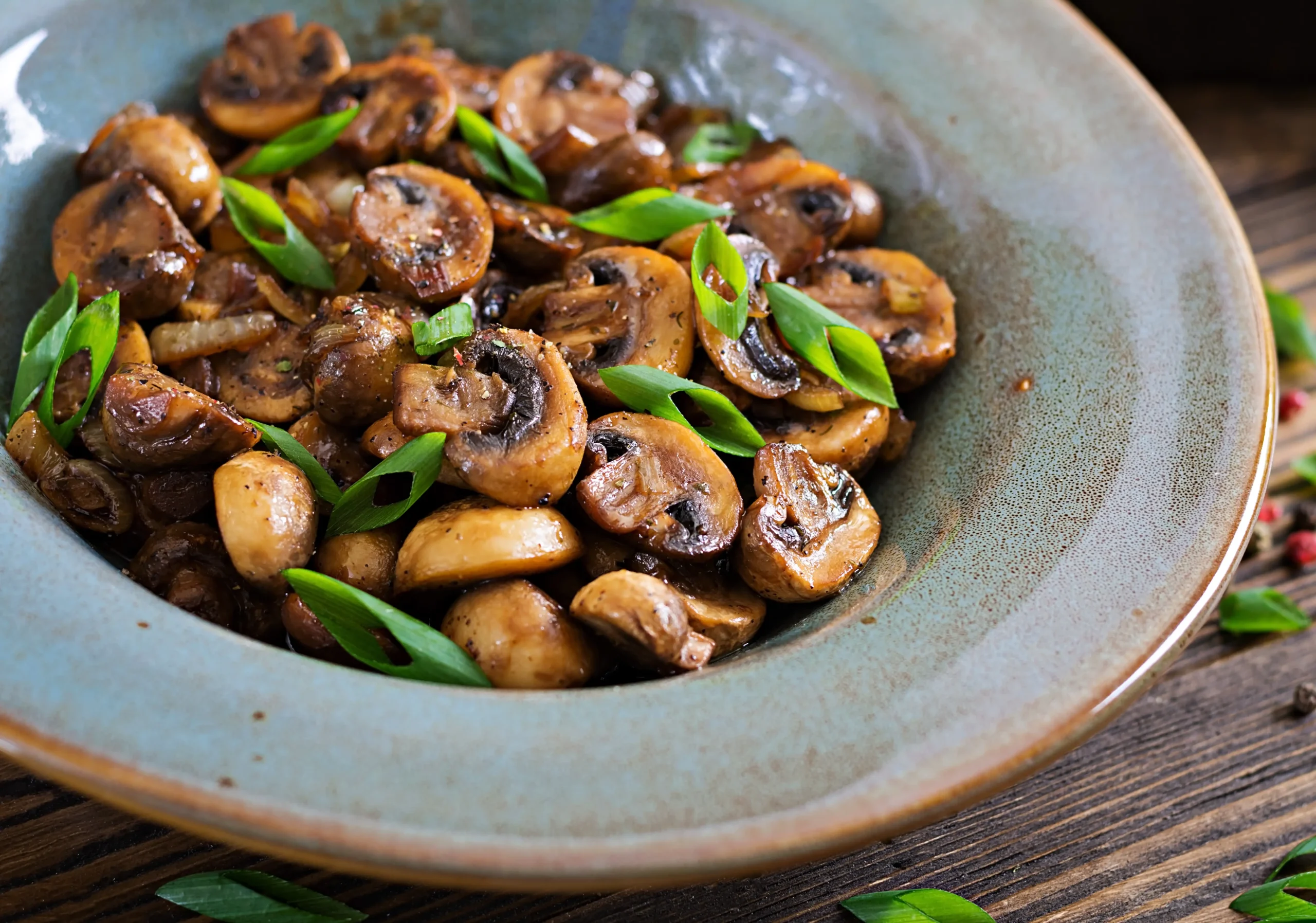
Table of Contents
Introduction:
f you have ever walked into a room and forgotten why you were there, you are not alone. Memory slips are becoming common, even in younger adults. Stress, poor sleep, inflammation, and nutritional gaps all affect brain performance.
Here is the good news.
Science now shows that mushrooms are one of the most underrated foods for memory and brain health.
Researchers studying aging brains, mild cognitive impairment, and dementia risk repeatedly highlight mushrooms for their unique neuroprotective compounds. These compounds are not found together in any other food. Yes, mushrooms that help with memory .
Are mushrooms good for memory? Research suggests that certain functional mushrooms may support cognitive performance, mental clarity, and long-term brain health due to their rich antioxidant and neuroprotective compounds. When exploring mushrooms memory benefits, varieties such as Hericium erinaceus are widely recognized for their potential to stimulate Nerve Growth Factor (NGF), which plays a key role in neuron growth, brain plasticity, and memory retention.
Other medicinal mushrooms like Ganoderma lucidum and Cordyceps sinensis may help reduce oxidative stress, improve cellular energy production, and support healthy brain function. While mushrooms for memory loss are not a medical cure, they may serve as natural cognitive support when combined with a balanced diet, regular exercise, quality sleep, and overall healthy lifestyle habits.
Mushrooms boost memory by protecting brain cells from oxidative stress, reducing inflammation, and supporting nerve growth. Compounds like ergothioneine and hericenones improve cognitive function and focus. Eating mushrooms regularly, especially button, oyster, shiitake, and Lion’s Mane, supports long-term brain health and memory performance.
Let us explore seven powerful, science-backed ways mushrooms can sharpen your memory faster than you think, and exactly how to eat them for real results.
1. Mushrooms Protect Brain Cells From Oxidative Damage
Your brain consumes about 20 percent of your body’s oxygen. This makes it extremely vulnerable to oxidative stress.
Mushrooms are the richest dietary source of ergothioneine, a rare antioxidant that crosses the blood-brain barrier.
According to research published in Free Radical Biology and Medicine, ergothioneine protects neurons from oxidative injury and slows age-related cognitive decline.
Population studies from Singapore also found that adults who ate mushrooms weekly had a significantly lower risk of mild cognitive impairment.
How to eat mushroom for memory:
• Eat button, oyster, or shiitake mushrooms 3 to 4 times per week
• Light cooking improves antioxidant availability
2. Lion’s Mane Mushrooms Stimulate Nerve Growth Factor
Lion’s Mane is not just a food. It is a functional brain mushroom.
It contains hericenones and erinacines, compounds shown to stimulate Nerve Growth Factor (NGF). NGF supports neuron survival, memory formation, and synaptic plasticity.
A randomized clinical trial published in Phytotherapy Research showed improved cognitive scores in adults with mild cognitive impairment after 16 weeks of Lion’s Mane supplementation.
This makes Lion’s Mane one of the most researched mushrooms for memory enhancement.
How to use:
• Best taken as a standardized extract
• 500 to 1000 mg daily
• Cooking reduces its active compounds
3. Mushrooms Reduce Brain Inflammation Linked to Memory Loss
Chronic inflammation is a silent driver of memory decline and Alzheimer’s disease.
Medicinal mushrooms like Reishi and Shiitake contain beta-glucans and triterpenoids that regulate immune response and calm neuroinflammation.
Studies in Frontiers in Aging Neuroscience show that reducing neuroinflammation improves cognitive resilience and slows neurodegeneration.
This matters because inflammation often begins years before memory symptoms appear.
How to eat:
•   Reishi as tea or extract
•   Shiitake in soups and broths
•   Consistent intake matters more than quantity
4. Mushrooms Improve Blood Flow to the Brain
Memory depends on oxygen and glucose delivery to brain tissue.
Certain mushrooms support endothelial function, improving cerebral circulation. Cordyceps, in particular, enhances ATP production and oxygen utilization at the cellular level.
Improved blood flow supports attention, learning speed, and mental stamina.
Research in Journal of Ethnopharmacology links Cordyceps to improved cognitive endurance and reduced mental fatigue.
How to use
• Cordyceps is not eaten as food
• Use clinically tested supplements
• Combine with hydration and movement
5. Mushrooms Support Neurotransmitters That Drive Focus
Mushrooms are naturally rich in B vitamins, especially B2, B3, and B5.
These vitamins are essential for:
• Acetylcholine synthesis for memory
• Dopamine balance for motivation
• Serotonin regulation for mood stability
Low B vitamin status is associated with brain fog and poor recall.
Unlike synthetic supplements, mushrooms deliver these nutrients in a bioavailable, food-based form.
How to eat
• Add mushrooms to eggs, lentils, rice, or vegetables
• Avoid overcooking to preserve B vitamins
6. Mushrooms May Slow Amyloid Plaque Accumulation
Amyloid-beta plaques are a hallmark of Alzheimer’s disease.
Experimental studies published in Journal of Neurochemistry suggest that compounds in Lion’s Mane and Reishi may inhibit amyloid aggregation and reduce neuronal toxicity.
While mushrooms are not a cure, early and consistent intake may delay pathological changes in the brain.
This makes mushrooms especially valuable for people with a family history of dementia.
7. Mushrooms Improve Sleep Which Directly Enhances Memory
Memory consolidation happens during deep sleep.
Reishi mushrooms are known for their adaptogenic effects. They help regulate cortisol and improve sleep quality.
Better sleep allows the brain’s glymphatic system to clear waste products, including amyloid proteins.
Improved sleep equals better memory retention.
How to use
• Reishi tea in the evening
• Avoid combining with caffeine late in the day
How to Eat Mushrooms Daily for Maximum Memory Benefits
Here is a simple, realistic approach.
• Eat mixed edible mushrooms 3 to 4 times weekly
• Rotate button, oyster, and shiitake
• Use Lion’s Mane as a supplement for cognitive goals
• Pair mushrooms with healthy fats like olive oil
• Maintain sleep, hydration, and physical activity
Food works best as part of a lifestyle.
Are Mushrooms Safe for Everyone?
Mushrooms are safe for most people when eaten as food.
• Autoimmune conditions should consult a healthcare professional
• Pregnant or breastfeeding women should stick to culinary mushrooms
• Always choose heavy-metal tested supplements
| 5-Minute Brain-Healthy Mushroom Sauté |
|---|
|
Why this works for memory Ingredients• 1 cup sliced button or oyster mushrooms How to make
How to eat for best results Memory tip |
FAQs
Can mushrooms really improve memory?
Yes. Multiple population studies and clinical trials show improved cognitive performance and reduced risk of mild cognitive impairment with regular mushroom intake.
Which mushroom is best for memory?
Lion’s Mane has the strongest evidence for memory and nerve support. Edible mushrooms support long-term brain health.
How long does it take to see results?
Dietary benefits appear gradually over weeks. Supplements like Lion’s Mane show results within 8 to 16 weeks in studies.
Can mushrooms prevent Alzheimer’s disease?
They cannot prevent or cure it. They may delay progression and support brain resilience when used early.
Is cooking mushrooms bad for nutrients?
Light cooking improves digestibility. Avoid deep frying or burning.
Are mushrooms good for memory ?
Yes, certain mushrooms can support memory and brain health. Varieties like lion’s mane contain bioactive compounds that may stimulate nerve growth, improve cognitive function, and help protect against age-related memory decline.
Including mushrooms in a balanced diet rich in antioxidants and anti-inflammatory nutrients can support overall brain function, focus, and long-term memory health.
What is mushroom memory?
Mushroom memory usually refers to the potential brain-boosting and memory-supporting effects of certain medicinal mushrooms, especially lion’s mane. These mushrooms contain natural compounds that may support nerve growth, protect brain cells, and improve focus, learning, and recall.
The term is commonly used in wellness and nutrition to describe how functional mushrooms may help enhance cognitive function, mental clarity, and long-term brain health when included in a balanced diet.
Final thoughts:
Mushrooms are not a trend. They are backed by decades of neuroscience, nutrition science, and clinical research.
They protect neurons, reduce inflammation, support neurotransmitters, and improve sleep. Few foods work on memory through so many pathways at once.
If you’re looking for mushrooms that help with memory, several functional varieties are widely recognized for their brain-supporting properties. Medicinal mushrooms such as Lion’s Mane are especially valued for promoting nerve growth factor (NGF) production, which supports cognitive function, focus, and mental clarity.
Other adaptogenic mushrooms like Reishi and Cordyceps may help protect brain cells from oxidative stress, enhance energy metabolism, and support overall neurological health. Rich in antioxidants and bioactive compounds, these nootropic mushrooms are increasingly used to improve memory retention, concentration, and long-term brain performance. When combined with a balanced diet, quality sleep, and regular exercise, memory-supporting mushrooms can be a natural way to promote cognitive wellness and healthy aging.
For more wellness related ideas do visit www.beautynwellnesshub.com






- Be Respectful
- Stay Relevant
- Stay Positive
- True Feedback
- Encourage Discussion
- Avoid Spamming
- No Fake News
- Don't Copy-Paste
- No Personal Attacks
- Be Respectful
- Stay Relevant
- Stay Positive
- True Feedback
- Encourage Discussion
- Avoid Spamming
- No Fake News
- Don't Copy-Paste
- No Personal Attacks
