The Skin Memory: Discover How Your Skin Remembers Past Damage & Care
Published: 23 Jan 2026

Table of Contents
Introduction:
Skin Memory? Can Skin Really Remember?
We often say things like “my skin never forgets a breakout” or “sun damage always comes back.”
Interestingly, science now confirms that this is not just a feeling. Your skin actually stores biological memories.
This phenomenon is known as skin memory.
Skin memory explains why early sun exposure shows up as pigmentation years later, why neglected skin ages faster, and why consistent care can reverse damage over time. It is not magic. It is cellular biology.
Let us break it down in a way that feels simple, relatable, and scientifically solid.
What Is Skin Memory in Scientific Terms?
Skin memory refers to the ability of skin cells to retain long-term biological changes after exposure to environmental stress, inflammation, ultraviolet radiation, or beneficial skincare.
This memory exists at three main levels:
• Cellular behavior
• Epigenetic changes
• Structural tissue remodeling
Research published in journals like Nature, Journal of Investigative Dermatology, and Cell Stem Cell confirms that skin cells adapt and remember previous conditions.
The Role of Epigenetics: Where Skin Memory Lives
Your DNA does not change, but the way it behaves does.
Epigenetics Explained Simply
Epigenetics means turning genes on or off without altering DNA. Skin cells exposed to stress activate survival genes. Over time, these patterns become stable.
According to multiple Google Scholar studies, repeated UV exposure leads to epigenetic marks in keratinocytes and fibroblasts that accelerate aging.
This explains why:
• Childhood sunburn increases adult pigmentation
• Early neglect leads to premature wrinkles
• Good skincare habits show cumulative benefits
Your skin remembers patterns, not just events.
Skin Stem Cells: The Memory Keepers
Skin renews itself constantly, yet memory persists. Why? Because skin stem cells remember.
Research from Cell Stem Cell (2017) showed that epidermal stem cells store inflammatory memory. When exposed again, they respond faster, sometimes excessively.
This explains recurring issues like:
• Chronic eczema
• Persistent acne zones
• Recurrent pigmentation
Your skin is not overreacting. It is remembering.
Fibroblasts and Aging Memory
Fibroblasts produce collagen, elastin, and structural proteins.
When damaged by UV radiation, pollution, or oxidative stress, fibroblasts:
• Reduce collagen production
• Increase matrix-degrading enzymes
• Shift into a senescent state
Studies in Journal of Dermatological Science show that once fibroblasts enter this altered state, they maintain it long-term.
This is why anti-aging is about early prevention, not late correction.
Melanocyte Memory and Pigmentation
Melanocytes are pigment-producing cells. Repeated inflammation or sun exposure trains melanocytes to overproduce melanin. This memory causes:
• Melasma recurrence
• Post-inflammatory hyperpigmentation
• Uneven tone relapse
Research from Pigment Cell & Melanoma Research confirms that melanocytes retain hyper-responsive states even after triggers are removed.
This is why pigmentation often returns without strict maintenance.
The Skin Barrier Also Has Memory
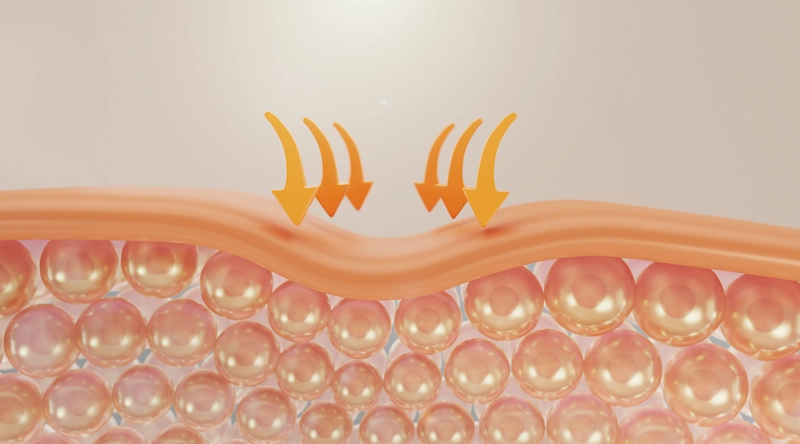
Your skin barrier remembers damage too.
When the barrier is repeatedly stripped through harsh cleansers or over-exfoliation:
• Lipid synthesis slows down
• TEWL increases chronically
• Sensitivity becomes long-term
A 2020 study in Experimental Dermatology confirmed that barrier disruption alters gene expression related to ceramide production.
That is why gentle care is not optional. It is biological reprogramming.
| Skincare for Better Skin Memory |
|---|
|
NK Botanica skincare supports long-term skin barrier health and positive skin memory through a consistent, science-led routine. The CLARÉA cleanser gently cleanses without stripping the barrier, helping skin maintain balanced cellular signaling. Targeted serums provide hydration and antioxidant support that reduce cumulative stress and inflammation memory. The Vitamin K Glow Cream strengthens the skin barrier, improves microcirculation, and helps correct persistent tone irregularities linked to past damage. Daily sunscreen use protects against UV-induced cellular changes that drive premature aging and pigmentation memory. Together, NK Botanica products promote skin resilience, barrier integrity, and long-term skin protection. |
Positive Skin Memory: Yes, It Exists
Skin memory is not only about damage.
Consistent healthy practices can retrain skin behavior.
Evidence shows that regular use of:
• Sunscreen
• Barrier-repair ingredients
• Antioxidants
• Anti-inflammatory actives
can reverse epigenetic damage and restore youthful gene expression over time.
Your skin learns from consistency.
How Long Does Skin Memory Last?
Skin memory can last:
• Months for inflammation
• Years for pigmentation
• Decades for UV damage
According to longitudinal studies, early sun exposure shows molecular signatures even after 30 years.
That sounds alarming, but it also highlights the power of long-term care.
Can Skin Memory Be Reset?
Not completely. But it can be reprogrammed. Scientific strategies include:
• Daily broad-spectrum sunscreen
• Antioxidants to reduce oxidative memory
• Barrier repair to normalize gene signaling
• Anti-inflammatory skincare
• Adequate sleep and stress management
Skin memory is adaptable, not permanent.
Why Skin Memory Changes the Way We Think About Skincare
This concept shifts skincare from instant results to biological training. Every product you apply sends signals.
Every habit teaches your skin how to behave. Your skin is always learning.
Aging is not just time passing. It is accumulated memory. Wrinkles, laxity, and dullness reflect decades of cellular experiences. That is why early gentle care matters more than aggressive treatments later.
Skin aging is memory aging.
FAQs:
Does skin really remember past sun exposure?
Yes. UV exposure creates lasting epigenetic changes that affect pigmentation, collagen breakdown, and cancer risk.
Can good skincare reverse bad skin memory?
It can significantly improve it. Consistency can retrain cellular responses, though complete erasure is unlikely.
Why does pigmentation keep coming back?
Melanocytes retain hyperactive memory after inflammation or sun exposure, making recurrence common without maintenance.
Is skin memory genetic?
It is not genetic, but epigenetic. That means it is influenced by environment and habits.
Does sensitive skin have stronger memory?
Yes. Sensitive skin often shows exaggerated inflammatory memory due to barrier dysfunction.
At what age does skin memory start?
From birth. Early childhood sun exposure leaves lasting biological marks.
Final Thoughts: Your Skin Is Listening
Your skin remembers how you treat it.
It remembers neglect.
It remembers care.
It remembers patterns.
Once you understand skin memory, skincare stops being cosmetic and becomes biological communication.
What you do daily matters more than what you do occasionally.
And your skin never forgets that conversation
For more skincare related ideas visit www.beautynwellnesshub.com






- Be Respectful
- Stay Relevant
- Stay Positive
- True Feedback
- Encourage Discussion
- Avoid Spamming
- No Fake News
- Don't Copy-Paste
- No Personal Attacks
- Be Respectful
- Stay Relevant
- Stay Positive
- True Feedback
- Encourage Discussion
- Avoid Spamming
- No Fake News
- Don't Copy-Paste
- No Personal Attacks
