Foods and Daily Habits That Help Lower BMI
Published: 29 Jan 2026
Introduction:
Before discussing foods and daily habits that help lower BMI, Lowering BMI is not about punishing your body.
It is about supporting it.
If you have tried extreme diets, skipped meals, or followed confusing advice, you already know how exhausting it can feel. The truth is, BMI responds best to simple, repeatable habits that respect human biology.
Let us talk about what actually works and why science agrees.
Why Food and Daily Habits Matter More Than Willpower
BMI increases when the body stays in a state of energy surplus for long periods. This surplus is often driven by ultra processed foods, poor sleep, stress, and irregular eating patterns.
Research published in The Lancet and Nutrition Reviews shows that diet quality and lifestyle patterns influence BMI more strongly than short term calorie restriction.
In other words, what you do daily matters more than what you do occasionally.
1. Prioritize High Fiber Foods at Every Meal
Fiber is one of the strongest dietary predictors of a healthy BMI. Studies from The American Journal of Clinical Nutrition confirm that people who consume higher fiber diets consistently have lower BMI and reduced abdominal fat.
Why Fiber Works
• Slows digestion
• Improves satiety
• Stabilizes blood sugar
• Supports gut health
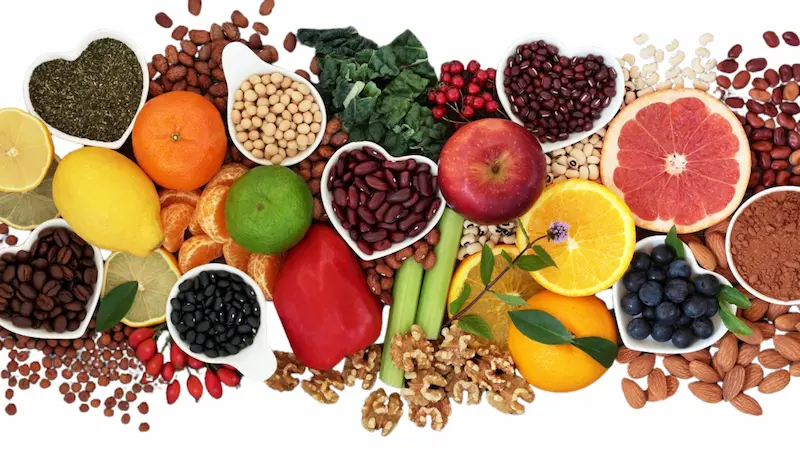
Best Fiber Rich Foods
• Vegetables like spinach, carrots, broccoli
• Fruits like apples, berries, pears
• Whole grains
• Legumes
Honestly, adding fibre is often easier than cutting calories.
2. Build Meals Around Protein
Protein is essential for lowering BMI sustainably. Research from The Journal of Nutrition shows that higher protein intake improves appetite control and preserves muscle mass during weight loss.
Protein Sources That Help Lower BMI
• Eggs
• Fish
• Lentils and beans
• Yogurt
• Lean poultry
Protein increases thermogenesis, which means your body burns more calories during digestion.
3. Reduce Ultra Processed Foods Gradually
Ultra processed foods are strongly associated with higher BMI. A landmark trial published in Cell Metabolism found that people eating ultra processed diets consumed more calories and gained weight even when nutrients were matched.
Common Ultra Processed Foods
• Sugary drinks
• Packaged snacks
• Refined bakery items
• Instant meals
You do not need perfection. Reducing frequency already helps.
4. Eat at Consistent Times Each Day
Meal timing plays a quiet but powerful role in BMI regulation. Research from Chronobiology International shows that irregular eating patterns disrupt circadian rhythm and promote weight gain.
Helpful Habits
• Avoid late night eating
• Maintain regular meal windows
• Eat slowly and mindfully
Your metabolism prefers predictability.
5. Sleep Like It Actually Matters
Sleep is not optional for BMI control. According to Sleep Medicine Reviews, short sleep duration increases hunger hormones and lowers satiety signals.
How Sleep Affects BMI
• Increases cravings
• Reduces insulin sensitivity
• Promotes fat storage
Aim for 7 to 8 hours of quality sleep. It sounds simple but it is powerful.
6. Stay Hydrated Throughout the Day
Hydration influences appetite and energy balance. Studies published in Obesity show that adequate water intake is associated with lower BMI and improved fat metabolism.
Easy Hydration Tips
• Drink water before meals
• Replace sugary beverages
• Keep a reusable bottle nearby
Sometimes thirst disguises itself as hunger.
7. Move Daily Without Overthinking It
Daily movement supports BMI reduction even without intense workouts. Research from The Journal of Obesity confirms that regular low intensity activity improves BMI and metabolic health.
Simple Movement Habits
• Walking after meals
• Taking stairs
• Stretching breaks
• Light household activity
Movement should feel sustainable, not intimidating.
Why These Habits Work Together
Each habit may seem small on its own. Together, they shift hormonal balance, appetite regulation, and energy use. Science consistently shows that combining diet quality, sleep, hydration, and movement leads to the most reliable BMI reduction. This is how BMI changes without rebound weight gain.
• Skipping meals
• Relying on detox diets
• Ignoring sleep
• Expecting fast results
BMI responds to patience. The body adapts slowly and wisely.
FAQs
Which foods lower BMI fastest?
Fiber rich foods and protein based meals support steady BMI reduction without extreme restriction.
Can BMI be lowered without dieting?
Yes. Improving food quality, sleep, hydration, and movement lowers BMI even without calorie counting.
How long does it take to see BMI changes?
Most people notice changes within 4 to 8 weeks of consistent habits.
Is skipping meals helpful for BMI?
No. Skipping meals often increases hunger and leads to overeating later.
Do daily habits matter more than exercise?
Daily habits create the foundation. Exercise enhances results when combined with them.
Final Thoughts: Sustainable BMI Reduction Is Possible
Food choices and daily habits shape BMI outcomes, but they work best when guided by a clear understanding of what BMI actually represents. Body Mass Index reflects the relationship between height, weight, and long-term disease risk, not just diet alone. To understand how BMI is calculated, what the healthy ranges are, and how lifestyle, exercise, and nutrition work together, read our complete BMI guide that explains everything in a simple and practical way.
If you are unsure how exercise lowers BMI , this guide explains it clearly. “5 Best Beginner Friendly Exercises to Lower BMI Naturally and Safely”
For more wellness related ideas visit www.beautynwellnesshub.com






- Be Respectful
- Stay Relevant
- Stay Positive
- True Feedback
- Encourage Discussion
- Avoid Spamming
- No Fake News
- Don't Copy-Paste
- No Personal Attacks
- Be Respectful
- Stay Relevant
- Stay Positive
- True Feedback
- Encourage Discussion
- Avoid Spamming
- No Fake News
- Don't Copy-Paste
- No Personal Attacks
