Protein Deficiency in Women: 12 Subtle Signs You Miss and Treatment
Published: 17 Feb 2026
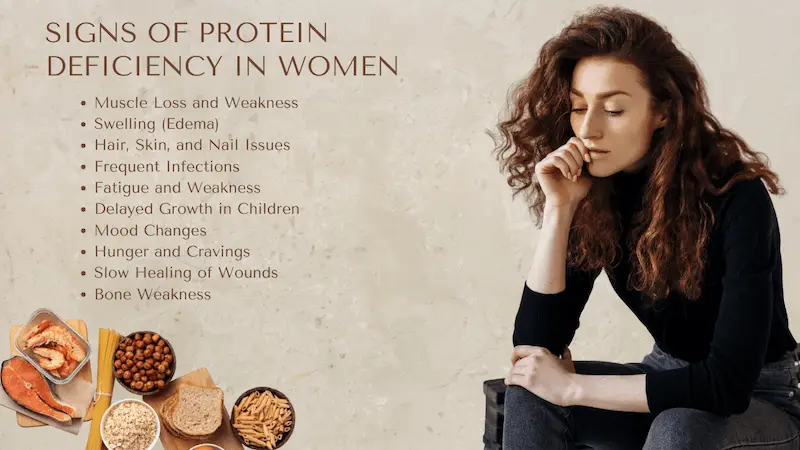
Table of Contents
Introduction:
Protein deficiency in women is far more common than we think. It does not always look dramatic. In fact, it often whispers before it screams.
You might feel tired all the time. Your hair may be thinning. Your nails may break easily. You may struggle with stubborn weight gain despite eating less. And you might not even realize that low protein intake is quietly affecting your hormones, metabolism, and skin.
Let us talk about it properly.
Because women’s bodies are physiologically different, protein needs are not just about muscles. They are about hormones, fertility, collagen production, immunity, and long term metabolic health.
This guide is based on evidence from nutritional biochemistry textbooks, WHO reports, and peer reviewed studies indexed in Google Scholar including research published in The American Journal of Clinical Nutrition and Nutrients.
Let us break it down in a clear and practical way.
What Is Protein Deficiency in women ?
Protein deficiency happens when your dietary protein intake is too low to meet your body’s physiological requirements.
According to the World Health Organization, the minimum recommended daily allowance is 0.8 grams per kilogram of body weight for adults. However, recent clinical nutrition research suggests that women, especially active women, pregnant women, and women over 40, may benefit from 1.0 to 1.2 grams per kilogram daily to preserve lean mass and metabolic health.
When intake consistently falls below needs, the body begins to conserve protein by breaking down muscle tissue and reducing non essential functions such as hair growth and optimal skin repair.
This is when subtle signs begin to appear.
Why Protein Is Critical for Women’s Health
Protein is not just about building muscle. It is essential for:
- Hormone production including estrogen and progesterone
- Enzyme synthesis
- Immune antibodies
- Collagen formation for skin elasticity
- Hair and nail strength
- Neurotransmitter production affecting mood
- Blood sugar regulation
In women, low protein intake can influence menstrual health, fertility, postpartum recovery, and even menopause symptoms.
Research in The Journal of Nutrition highlights that inadequate protein intake in women is associated with reduced muscle mass, impaired immune response, and increased fatigue.
12 Subtle Signs of Protein Deficiency in Women
Now this is where it gets important. These signs are often ignored or misattributed.
1. Constant Fatigue
If you feel tired despite sleeping well, your body may lack amino acids needed for energy metabolism and hemoglobin synthesis. Protein helps stabilize blood sugar. Without enough of it, you experience energy crashes.
2. Hair Thinning or Hair Loss
Hair is primarily made of keratin, a structural protein. Low protein intake shifts the body into conservation mode. Hair growth slows. Shedding increases. Telogen effluvium has been associated with nutritional deficiencies including protein inadequacy.
3. Brittle Nails
Weak nails that peel or split easily can signal insufficient protein or low sulphur containing amino acids.
4. Sugar Cravings
Protein stabilizes glucose levels. If your meals are carbohydrate heavy and protein poor, insulin spikes and crashes trigger cravings. Many women mistake this for lack of willpower. It is biochemistry.
5. Slow Wound Healing
Collagen synthesis requires adequate amino acids. If cuts take longer to heal, your body may not have enough building blocks.
6. Frequent Infections
Antibodies are proteins. Chronic low protein intake may weaken immune resilience.
7. Mood Changes
Tryptophan is a precursor to serotonin. Tyrosine influences dopamine. Low protein can affect neurotransmitter production and mood stability.
8. Muscle Loss
Even if you are not trying to build muscle, skeletal muscle is metabolically protective tissue. Women over 35 are particularly vulnerable to sarcopenia if protein intake is insufficient.
9. Edema or Puffiness
Severe protein deficiency can reduce albumin levels, affecting fluid balance. This is rare but clinically significant.
10. Irregular Periods
Hormone production depends on adequate nutrition. Chronic under eating and low protein diets may disrupt menstrual cycles.
11. Weak Immunity
Frequent colds may signal compromised protein status.
12. Difficulty Losing Weight
Low protein intake can slow metabolism by reducing thermic effect of food and lean muscle mass. Ironically, eating too little protein can make weight loss harder.
Certain groups of women are more vulnerable:
- Women on restrictive diets
- Vegetarians or vegans without planned protein combinations
- Women with PCOS trying extreme calorie restriction
- Postpartum mothers
- Elderly women
- Women recovering from illness
- Women with digestive disorders
According to research published in Nutrients, older women consuming less than 0.8 g per kg had significantly lower muscle mass compared to those consuming higher protein levels.
How Much Protein Does a Woman Actually Need?
Here is a practical breakdown:
Sedentary adult women: 0.8 g per kg
Active women: 1.0 to 1.2 g per kg
Strength training women: 1.2 to 1.6 g per kg
Pregnant and lactating women: Increased requirements per clinical guidelines
For example, a 60 kg woman may need between 48 to 72 grams daily depending on activity level. Distribution matters too. Studies show that spreading protein intake evenly across meals improves muscle protein synthesis.
Best Protein Sources for Women
High quality protein sources include:
Animal Based
- Eggs
- Fish
- Chicken
- Greek yogurt
- Lean meat
Plant Based
- Lentils
- Chickpeas
- Tofu
- Quinoa
- Chia seeds
- Pumpkin seeds
Combining legumes with grains improves amino acid completeness. If dietary intake is inadequate, whey protein or plant protein supplements can help under professional guidance.
Can Protein Deficiency Affect Skin and Aging?
Yes.
Collagen decline accelerates with age. Adequate protein supports skin elasticity, firmness, and wound repair.
Amino acids such as glycine and proline are critical for dermal structure. Chronic low intake may contribute to dull skin and premature aging. This is particularly important for women focused on anti aging nutrition.
How to Correct Protein Deficiency
Start gently.
1. Add protein to breakfast
2. Include protein in every meal
3. Avoid skipping meals
4. Increase intake gradually to avoid digestive discomfort
5. Monitor energy, hair, and menstrual health
If symptoms are severe, consult a physician for serum albumin and total protein testing.
FAQs:
What are early signs of protein deficiency in women?
Early signs include fatigue, hair thinning, brittle nails, sugar cravings, and slow wound healing.
Can low protein cause weight gain?
Yes. Low protein may reduce metabolic rate and increase cravings, which can indirectly promote weight gain.
How long does it take to correct protein deficiency?
Mild deficiencies may improve within weeks of adequate intake. Severe cases require medical supervision.
Is plant protein enough for women?
Yes, if properly combined to provide essential amino acids and consumed in adequate quantities.
Can protein deficiency affect hormones?
Yes. Protein is essential for hormone production. Chronic deficiency may contribute to irregular cycles and mood changes.
Final Thoughts
Protein deficiency in women often hides behind everyday complaints. Fatigue. Hair loss. Cravings. Mood swings. We normalize them. But sometimes, the solution is not complicated. It is nutritional adequacy. Your body is not asking for extremes. It is asking for balance. If you nourish it consistently, it responds with strength, clarity, and resilience. And honestly, that is the foundation of real wellness.
Read Full Article on “ Protein Needs by Age Explained: A Doctor-Verified Nutrition Guide “
For more wellness related content visit www.beautynwellnesshub.com

Thyroid Dysfunction and Micronutrient Deficiencies: The secret Piece in Hormone imbalance





- Be Respectful
- Stay Relevant
- Stay Positive
- True Feedback
- Encourage Discussion
- Avoid Spamming
- No Fake News
- Don't Copy-Paste
- No Personal Attacks
- Be Respectful
- Stay Relevant
- Stay Positive
- True Feedback
- Encourage Discussion
- Avoid Spamming
- No Fake News
- Don't Copy-Paste
- No Personal Attacks
