Aging and Insulin: 5 Hidden Metabolic Shifts
Published: 19 Jan 2026

Table of Contents
Introduction:
Aging changes the body in ways most people do not notice until symptoms appear. Energy drops. Fat accumulates around the waist. Blood sugar becomes harder to control. These changes are often blamed on age alone, yet insulin sits at the center of this shift.
Insulin is a hormone that decides how your body uses food for energy, where fat is stored, and how cells repair themselves. As years pass, the relationship between aging and insulin becomes strained. This shift increases the risk of insulin resistance, metabolic syndrome, type 2 diabetes, fatty liver disease, and cardiovascular problems.
What makes this issue dangerous is how quietly it develops. Many people have normal lab reports while insulin resistance is already progressing beneath the surface.
Understanding how aging affects insulin is one of the most powerful steps toward protecting long-term health.
Aging reduces insulin sensitivity by weakening muscle glucose uptake, increasing inflammation, and promoting visceral fat accumulation. As insulin signaling declines, blood sugar control becomes impaired, raising the risk of insulin resistance, metabolic syndrome, and type 2 diabetes.
How Insulin Works in a Healthy Body
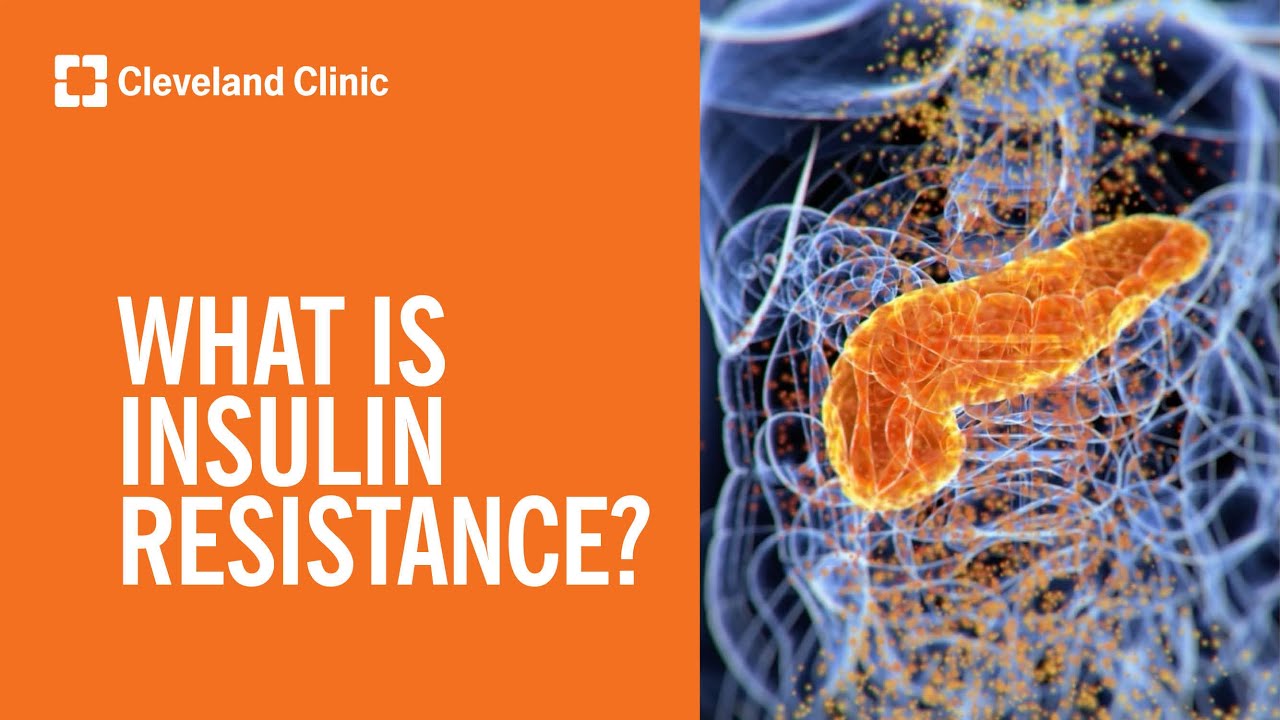
Insulin is released by the pancreas after you eat. Its job is to help glucose move from the bloodstream into cells where it is used as fuel.
When insulin works efficiently, blood sugar remains stable, muscles stay energized, inflammation stays controlled, and fat storage remains balanced.
With aging, this process becomes less efficient. Cells begin to ignore insulin signals. The pancreas responds by producing more insulin, which over time worsens metabolic stress.
This is the foundation of age-related insulin resistance.
Watch the video below to understand role of insulin in your body:
Insight 1: Aging Gradually Reduces Insulin Sensitivity
Scientific research consistently shows that insulin sensitivity declines with age, even in individuals who are not overweight.
Studies published in journals such as Diabetes Care and The Journal of Clinical Endocrinology and Metabolism demonstrate that aging muscle cells lose their ability to respond effectively to insulin. Glucose transport into cells slows down, leaving more sugar circulating in the blood.
This explains why many adults experience rising blood sugar levels despite unchanged eating habits. The issue is not always diet. It is often cellular aging.
This reduced sensitivity increases insulin demand and places long-term strain on the pancreas.
Insight 2: Chronic Inflammation Weakens Insulin Signalling
Aging is closely linked to a condition called chronic low-grade inflammation, often referred to as inflammaging.
Researches confirm that inflammatory markers such as TNF-alpha and interleukin-6 interfere with insulin receptor activity. These inflammatory signals block the pathway insulin uses to communicate with cells.
As inflammation rises, insulin becomes less effective. Blood sugar remains elevated longer after meals. Fat storage increases. Metabolic flexibility declines.
This connection explains why supporting anti-inflammatory pathways and liver detox processes becomes increasingly important with age.
Insight 3: Muscle Loss With Age Impairs Blood Sugar Control
Muscle tissue plays a major role in glucose uptake. As people age, they naturally lose muscle mass, a condition known as sarcopenia.
Research in The American Journal of Physiology shows that reduced muscle mass significantly lowers the body’s ability to clear glucose from the bloodstream. Less muscle means fewer glucose storage sites.
This leads to persistent blood sugar imbalance and increased insulin demand. This is one reason why physical inactivity accelerates metabolic aging.
Preserving muscle through movement and resistance training directly supports insulin health and blood sugar regulation
Insight 4: Aging Changes Fat Distribution and Increases Belly Fat
Aging alters where fat is stored in the body. Fat shifts away from subcutaneous areas and accumulates around the abdomen and internal organs.
This visceral fat, often recognized as stubborn belly fat, is metabolically harmful. Studies published in Nature Reviews Endocrinology show that visceral fat releases free fatty acids and inflammatory chemicals that block insulin signaling.
Even people with normal body weight can develop insulin resistance due to this fat redistribution. This condition is increasingly common with age and often overlooked.
Reducing belly fat is not only about appearance. It is critical for restoring insulin sensitivity.
Insight 5: Insulin Resistance Accelerates Biological Aging
Insulin resistance does not just result from aging. It actively accelerates aging at a cellular level.
Research in longevity science links chronic high insulin levels to increased oxidative stress, impaired autophagy, and faster cellular damage. These mechanisms contribute to cognitive decline, cardiovascular disease, and reduced lifespan.
This creates a self-perpetuating cycle. Aging worsens insulin resistance, and insulin resistance speeds up aging.
Breaking this cycle supports both metabolic health and longevity.
Why Liver Health Matters in Aging and Insulin Balance
The liver plays a central role in glucose production, insulin clearance, and fat metabolism. For details read “Metabolic Health Crisis Explained: Liver Detox, Blood Sugar and Belly Fat Connection”
As insulin resistance increases, the liver produces more glucose even when blood sugar is already high. This worsens metabolic imbalance and contributes to fatty liver disease.
Supporting natural liver detox pathways helps reduce insulin load and improves glucose regulation, especially in aging adults.
| Practical Ways to Support Insulin Health as You Age |
|---|
|
Scientific evidence shows that insulin decline is not inevitable. Simple, consistent habits make a measurable difference. These include regular strength training to preserve muscle, balanced protein intake, anti-inflammatory dietary patterns, quality sleep, and daily movement. Even small improvements can restore insulin sensitivity and stabilize blood sugar levels over time. |
FAQs
Does aging automatically lead to insulin resistance?
No. Aging increases risk, but lifestyle, muscle mass, sleep quality, and inflammation levels strongly influence insulin sensitivity.
Can insulin resistance exist without diabetes?
Yes. Insulin resistance often develops years before blood sugar reaches diabetic levels.
Why does belly fat increase with age even without overeating?
Hormonal changes, reduced muscle mass, and insulin resistance promote fat storage around the abdomen.
Is insulin resistance reversible after 50?
Research shows that insulin sensitivity can improve at any age with proper lifestyle interventions.
How does liver health affect insulin?
The liver controls glucose release and insulin clearance. Poor liver function worsens insulin resistance.
Does insulin resistance affect brain health?
Yes. Studies link insulin resistance to cognitive decline and increased risk of Alzheimer’s disease.
Why do women experience insulin changes after menopause?
Estrogen decline alters fat distribution and insulin sensitivity, increasing metabolic risk.
Can improving blood sugar also slow aging?
Stable blood sugar reduces oxidative stress and supports healthier cellular aging.
Final Thoughts:
Aging With Metabolic Awareness
Aging and insulin are deeply connected through complex biological pathways. Understanding this relationship empowers you to act early rather than wait for disease to appear.
Insulin health influences energy, fat storage, brain function, and longevity. Supporting it is one of the most effective ways to age with strength and resilience.






- Be Respectful
- Stay Relevant
- Stay Positive
- True Feedback
- Encourage Discussion
- Avoid Spamming
- No Fake News
- Don't Copy-Paste
- No Personal Attacks
- Be Respectful
- Stay Relevant
- Stay Positive
- True Feedback
- Encourage Discussion
- Avoid Spamming
- No Fake News
- Don't Copy-Paste
- No Personal Attacks
