Anti Aging Miracles of Alpha Lipoic Acid: 12 Powerful Reasons It’s Called the Universal Antioxidant
Published: 28 Feb 2026
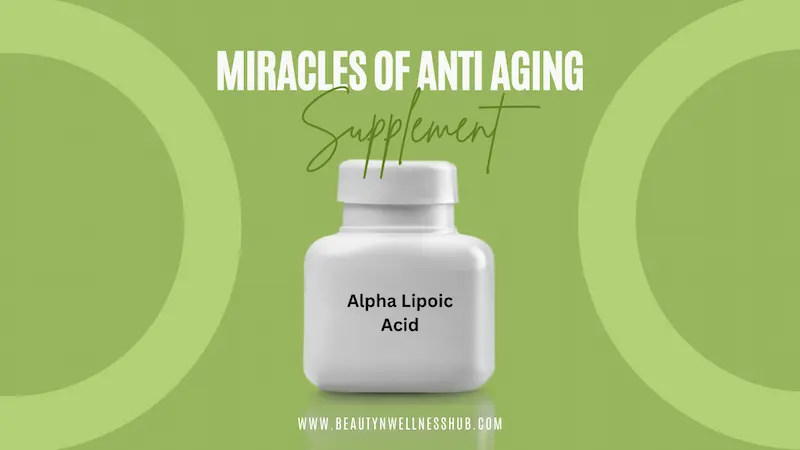
Table of Contents
Introduction:
Aging is natural. But premature aging is not something most of us want. Fine lines, dull skin, uneven tone, loss of firmness. These are visible signs that your cells are under oxidative stress. And this is where Alpha Lipoic Acid enters the conversation.
If you have ever searched for powerful antioxidants for skin or cellular longevity, you probably came across Alpha Lipoic Acid, often called ALA. It is not just another trendy ingredient. It is backed by decades of biochemical and clinical research.
Let us explore why the anti aging miracles of Alpha Lipoic Acid are gaining global attention and why scientists call it the universal antioxidant.
What Is Alpha Lipoic Acid?
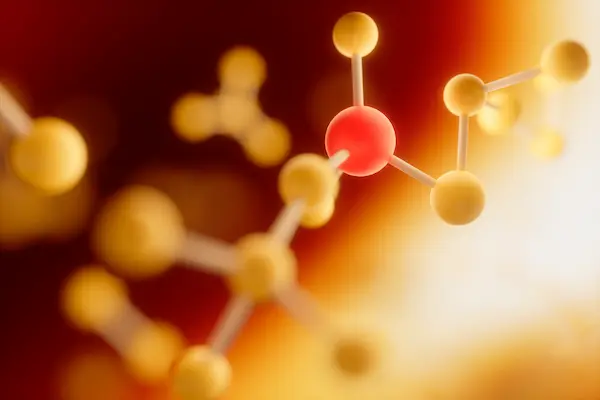
Alpha Lipoic Acid is a naturally occurring compound synthesized in small amounts inside the mitochondria of our cells.
It plays a central role in energy metabolism. According to biochemistry textbooks such as Lehninger Principles of Biochemistry, ALA acts as a cofactor for mitochondrial enzyme complexes that convert glucose into energy.
But here is the interesting part.
Unlike most antioxidants that are either water soluble or fat soluble, Alpha Lipoic Acid works in both environments. That is why it is called the universal antioxidant.
It neutralizes free radicals in cell membranes, cytoplasm, and even within mitochondria.
Why Oxidative Stress Is the Root of Skin Aging
Before we discuss benefits, let us understand the science. Oxidative stress occurs when free radicals exceed the body’s antioxidant defense system. Research published in journals such as Free Radical Biology and Medicine shows that oxidative stress accelerates collagen breakdown, increases pigmentation, and damages cellular DNA.
This leads to:
• Wrinkles
• Sagging skin
• Hyperpigmentation
• Loss of elasticity
• Dull complexion
Alpha Lipoic Acid directly targets this process.
12 Powerful Anti Aging Miracles of Alpha Lipoic Acid
Let’s discuss one by one:
1. Potent Neutralization of Free Radicals
ALA directly scavenges reactive oxygen species. Studies show it reduces lipid peroxidation and oxidative DNA damage.
This means fewer damaged skin cells and slower wrinkle formation.
2. Regenerates Other Antioxidants
Here is something powerful. ALA helps regenerate Vitamin C, Vitamin E, and glutathione. Research in The Journal of Clinical Investigation demonstrates that ALA restores intracellular glutathione levels.
So it does not just work alone. It strengthens your entire antioxidant network.
3. Boosts Collagen Protection
Collagen is the protein that keeps skin firm. Oxidative stress activates enzymes called matrix metalloproteinases that degrade collagen. Scientific literature shows that antioxidants like ALA can reduce this enzymatic damage. Less collagen breakdown means firmer, smoother skin.
4. Improves Skin Texture and Fine Lines
Clinical trials have shown that topical 5 percent Alpha Lipoic Acid improves skin roughness and reduces fine lines within weeks. Participants reported smoother texture and visible glow. That is real, measurable improvement.
5. Reduces Inflammation That Accelerates Aging
Chronic low grade inflammation contributes to aging. This process is sometimes called inflammaging in scientific research. ALA has demonstrated anti inflammatory properties by modulating NF kappa B pathways according to experimental studies. Lower inflammation equals slower aging at the cellular level.
6. Enhances Cellular Energy Production
Healthy skin cells require energy. ALA functions inside mitochondria to support ATP production. Better mitochondrial efficiency supports faster repair and rejuvenation.
So you are not just masking wrinkles. You are supporting cellular vitality.
7. Supports Skin Brightening
Oxidative stress triggers excess melanin production. By reducing oxidative signaling, ALA indirectly supports balanced pigmentation. Some dermatological studies suggest improved skin clarity with antioxidant therapy.
The result is a more even and radiant complexion.
8. Protects Against UV Induced Damage
UV radiation is one of the biggest contributors to premature aging. Research published in Photochemistry and Photobiology shows antioxidants like ALA can reduce UV induced oxidative damage when used alongside sunscreen. It is not a replacement for SPF. It is an intelligent partner.
Learn how to apply sunscreen for maximum results here “Use Sunscreen This Way to Avoid 9 Dangerous Skin Aging Mistakes”
9. Improves Insulin Sensitivity and Glycation Control
Now this is something many people overlook. High blood sugar accelerates skin aging through glycation. Glycation damages collagen fibres, making them stiff and fragile. ALA has been studied extensively for improving insulin sensitivity, particularly in metabolic research.
Better glucose control means less glycation related skin aging.
10. Strengthens the Skin Barrier
Oxidative stress weakens the lipid barrier. ALA supports cellular membrane stability. A stronger skin barrier retains moisture better, giving skin a plump and hydrated appearance. Hydrated skin always looks younger.
11. May Reduce Under Eye Aging
The delicate under eye area is prone to oxidative damage. Because ALA penetrates both lipid and aqueous layers, it can support antioxidant protection in thin skin areas.
Many dermatologists include it in anti aging eye formulations.
12. Supports Longevity Pathways
Emerging research in aging biology suggests antioxidants influence longevity pathways such as AMPK activation. Alpha Lipoic Acid has been studied in longevity models for its potential to enhance cellular stress resistance. This shifts the conversation from cosmetic anti aging to true cellular resilience.
Oral vs Topical Alpha Lipoic Acid
Both forms have benefits. Topical ALA directly improves skin texture and fine lines. Oral supplementation supports systemic antioxidant capacity, glucose metabolism, and mitochondrial health.
Consult a healthcare professional before starting supplements, especially if you have medical conditions.
| Is Alpha Lipoic Acid Safe? |
|---|
|
Clinical studies generally show good tolerability. Mild irritation may occur in sensitive skin when applied topically. Oral supplementation should be medically supervised in diabetic patients due to its glucose lowering effect. Always patch test before new skincare products. |
FAQs
How long does Alpha Lipoic Acid take to show anti aging results?
Topical improvements in skin texture may appear within 4 to 12 weeks depending on formulation and consistency.
Can Alpha Lipoic Acid replace Vitamin C?
No. It works best alongside Vitamin C because it helps regenerate it. Combination antioxidant therapy is more powerful.
Is Alpha Lipoic Acid suitable for sensitive skin?
Yes, but start with lower concentrations and perform a patch test.
Can I use Alpha Lipoic Acid daily?
Most dermatologists recommend once daily application, usually at night.
Does Alpha Lipoic Acid really slow aging?
It reduces oxidative stress, inflammation, and collagen degradation. These are key drivers of aging. So scientifically speaking, it supports slower visible aging.
At what age natural Alpha Lipoic Acid starts to reduce?
Natural alpha-lipoic acid (ALA) production peaks during early adulthood and generally begins to decline after the age of 40, with more significant decreases occurring in the 50s and beyond as mitochondrial performance weakens and oxidative stress increases. Because ALA is a mitochondrial antioxidant essential for cellular energy production, glucose metabolism, and tissue repair, its age-related reduction is considered a normal biological change. Lower ALA levels may lead to reduced antioxidant protection and slower metabolic efficiency over time, which is why many experts discuss alpha-lipoic acid supplementation for healthy aging, nerve health, blood sugar balance, and overall metabolic support in middle-aged and older adults.
what is daily recommended dose of alpha Lipoic acid and at what time to take it
The typical daily dose of alpha-lipoic acid (ALA) ranges from 100 to 300 mg for general antioxidant support, while 300 to 600 mg per day is commonly used for blood sugar regulation and metabolic health, with 600 mg daily often studied for diabetic neuropathy. Alpha-lipoic acid is best taken on an empty stomach-ideally 30 minutes before breakfast or at least two hours after a meal-because food, particularly mineral-rich foods, can reduce its absorption. Many people prefer taking it in the morning to support energy metabolism throughout the day, although higher doses may be divided if recommended by a healthcare professional.
Final Thoughts
The anti aging miracles of Alpha Lipoic Acid are not marketing hype. They are grounded in mitochondrial biology, antioxidant science, and clinical dermatology. It works at multiple levels. It protects collagen. It regenerates other antioxidants. It improves cellular energy. It reduces inflammation. It supports even pigmentation.
That is why it earns the title universal antioxidant. Aging gracefully is not about chasing perfection. It is about protecting your cells intelligently. And Alpha Lipoic Acid might just be one of the smartest additions to a modern anti aging routine.
Read full article on “Top 10 Supplements for Metabolic Health: Expert Guide for Lasting Energy and Weight Control”



- Be Respectful
- Stay Relevant
- Stay Positive
- True Feedback
- Encourage Discussion
- Avoid Spamming
- No Fake News
- Don't Copy-Paste
- No Personal Attacks
- Be Respectful
- Stay Relevant
- Stay Positive
- True Feedback
- Encourage Discussion
- Avoid Spamming
- No Fake News
- Don't Copy-Paste
- No Personal Attacks
