Depression and Brain Fog: 5 Hidden Nutrient Deficiencies That Impact Mental Health
Published: 14 Feb 2026
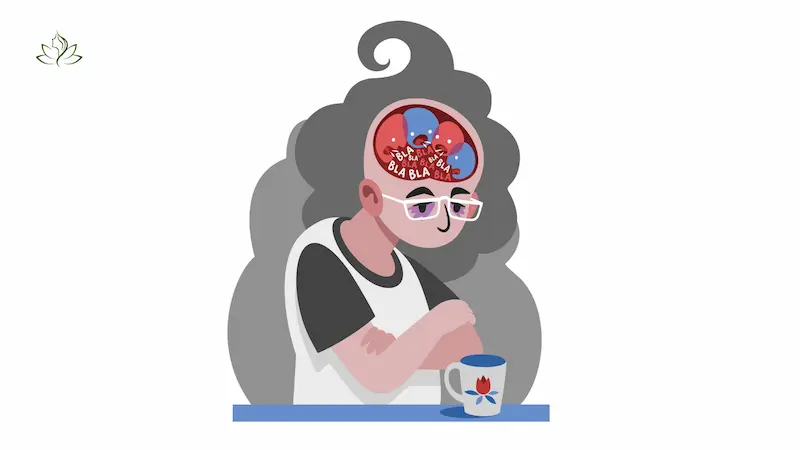
Table of Contents
Introduction:
Have you ever felt mentally exhausted even after sleeping well? Or emotionally low without any obvious reason?
You are not alone.
Depression and brain fog are often treated as purely psychological problems. But here is something many people do not realize. In many cases, your brain is not just emotionally overwhelmed. It might be nutritionally undernourished.
Yes, really.
Emerging research in nutritional psychiatry shows that hidden nutrient deficiencies can directly influence mood regulation, cognitive clarity, memory, and emotional resilience. Let us unpack this in a simple and evidence based way.
Understanding Depression and Brain Fog
Before we connect the dots, let us clarify what we are talking about. Depression is not just sadness. It can involve fatigue, loss of motivation, sleep changes, irritability, low concentration, and emotional numbness.
Brain fog is not a medical diagnosis. It describes symptoms like:
• Difficulty concentrating
• Poor memory
• Mental fatigue
• Slow thinking
• Lack of clarity
Now here is the important part.
Your brain consumes around 20 percent of your body’s total energy. It relies heavily on vitamins, minerals, amino acids, and fatty acids to produce neurotransmitters like serotonin, dopamine, and GABA. If these nutrients are lacking, brain chemistry can suffer.
The Science Behind Nutrient Deficiencies and Mental Health
Nutritional psychiatry has gained strong scientific backing over the past decade. A landmark review published in The Lancet Psychiatry highlighted the role of dietary quality in preventing and treating depression. Research from Harvard Medical School and other institutions confirms that micronutrients are essential for neurotransmitter synthesis and neuroplasticity.
When deficiencies exist, the brain struggles to function optimally. That can look like depression. Or brain fog. Or both.
Let us go deeper into the most overlooked deficiencies.
1. Vitamin D Deficiency leading Depression and Brain Fog
Vitamin D is not just for bones. It acts as a neurosteroid hormone. Vitamin D receptors are found in brain regions involved in mood regulation, including the hippocampus.
Multiple studies on Google Scholar show a strong association between low vitamin D levels and increased risk of depressive symptoms.
Low vitamin D can lead to:
• Persistent low mood
• Fatigue
• Cognitive dullness
• Increased inflammation
In regions with limited sun exposure, vitamin D deficiency depression is extremely common. If you feel worse during winter, this could be a clue.
2. Vitamin B12 and Brain Fog
Vitamin B12 is crucial for nerve function and myelin sheath integrity.Low B12 levels can cause:
• Brain fog
• Memory issues
• Mood swings
• Irritability
• Fatigue
According to research published in the American Journal of Psychiatry, B12 deficiency is linked to higher rates of depression, especially in older adults. B12 deficiency can occur even in people who eat normally, particularly vegetarians, individuals with gut disorders, or those on long term acid suppressants. It is sneaky. Symptoms can appear before anaemia develops.
3. Iron Deficiency and Mood Disorders
Iron deficiency is one of the most common nutrient deficiencies worldwide. Iron is essential for oxygen transport and dopamine production. Without adequate iron, your brain literally receives less oxygen and struggles to produce neurotransmitters efficiently, ma leads to brain fog or depression .
Iron deficiency symptoms include:
• Fatigue
• Low motivation
• Difficulty focusing
• Low mood
• Hair thinning
Research in women of reproductive age shows a strong connection between iron deficiency and depressive symptoms.
Sometimes people are treated with antidepressants when what they truly need is iron correction.
4. Magnesium and Anxiety Linked Brain Fog
Magnesium participates in more than 300 biochemical reactions in the body. It regulates:
• Stress response
• NMDA receptors
• Sleep quality
• Nervous system balance
Low magnesium levels are associated with anxiety, poor sleep, irritability, and cognitive dysfunction. Studies suggest magnesium supplementation may improve mild to moderate depression symptoms in certain individuals. If you feel mentally wired but physically exhausted, magnesium deficiency could be part of the picture.
5. Omega 3 Fatty Acids for Depression and Brain Fog
Omega 3 fatty acids, especially EPA and DHA, are structural components of brain cell membranes. They reduce neuroinflammation and improve neurotransmission. A meta analysis published in Translational Psychiatry found that omega 3 supplementation, particularly EPA dominant formulations, can significantly reduce depressive symptoms.
Low intake of fatty fish correlates with higher rates of depression globally. Your brain is about 60 percent fat. The quality of that fat matters.
6. Folate and Neurotransmitter Synthesis
Folate is essential for methylation and serotonin production. Low folate levels are associated with:
• Poor antidepressant response
• Persistent depressive symptoms
• Cognitive sluggishness
Activated folate forms are often used in psychiatric practice to augment depression treatment.
Here is the tricky part. Standard lab ranges often reflect survival levels, not optimal mental health levels.
You can be within the laboratory normal range and still experience symptoms. Also, many clinicians do not routinely test micronutrient status in people presenting with depression and brain fog. This leads to underdiagnosis.
Inflammation, Gut Health, and Brain Function
The gut brain axis plays a major role. Chronic inflammation, poor gut absorption, and ultra processed diets reduce nutrient availability. Research shows that individuals with poor dietary patterns have higher depression rates. Your brain cannot build neurotransmitters from empty nutritional reserves. It is like trying to run a laboratory without raw materials.
When Should You Test for Nutrient Deficiencies
If you experience:
• Persistent brain fog
• Treatment resistant depression
• Chronic fatigue
• Hair loss with mood symptoms
• Digestive disorders
• Vegetarian or restrictive diet
It may be wise to discuss testing for:
• Vitamin D
• Vitamin B12
• Ferritin
• Magnesium
• Folate
• Omega 3 index
Always consult a qualified healthcare professional before starting supplements.
Practical Steps to Support Mental Clarity Naturally
Here are evidence based actions you can start:
1. Eat whole foods rich in micronutrients
2. Include fatty fish twice weekly
3. Get safe sun exposure
4. Improve sleep hygiene
5. Reduce ultra processed foods
6. Address gut health
Food truly acts as biochemical information for your brain.
Nutritional Psychiatry Is the Future
We are entering an era where mental health is no longer viewed only through a psychological lens. The integration of psychiatry, nutrition, and functional medicine is transforming treatment approaches. Depression and brain fog are complex. Trauma, stress, and life circumstances matter deeply. But sometimes the missing piece is biological. And correcting hidden nutrient deficiencies can create noticeable improvements in mood and clarity. Not overnight. But steadily.
FAQs:
Can vitamin deficiencies really cause depression?
Yes. Research shows deficiencies in vitamin D, B12, folate, iron, and omega 3 fatty acids are associated with increased risk of depressive symptoms.
What deficiency causes brain fog the most?
Vitamin B12 deficiency and iron deficiency are common causes. Low vitamin D and magnesium can also contribute.
Should I take supplements for depression?
Do not self prescribe blindly. Test first and consult a healthcare professional. Supplementation works best when correcting confirmed deficiencies.
How long does it take to feel better after correcting deficiencies?
It varies. Some people notice improvement within weeks, others take a few months depending on severity.
Can diet alone improve mental health?
Diet is a powerful foundation, but severe depression requires comprehensive care including therapy and medical evaluation.
Key Takeaway
If you are struggling with depression and brain fog, please know this. It is not always weakness. It is not always purely psychological. Sometimes your brain is simply asking for nutrients it desperately needs. And when you nourish it properly, clarity and emotional stability can gradually return.
For more wellness related tips and articles visit www.beautynwellnesshub.com

Metabolic Syndrome and Hidden Nutrient Deficiencies: The Overlooked Root Cause of Modern Metabolic Disease





- Be Respectful
- Stay Relevant
- Stay Positive
- True Feedback
- Encourage Discussion
- Avoid Spamming
- No Fake News
- Don't Copy-Paste
- No Personal Attacks
- Be Respectful
- Stay Relevant
- Stay Positive
- True Feedback
- Encourage Discussion
- Avoid Spamming
- No Fake News
- Don't Copy-Paste
- No Personal Attacks
