8 Dimensions of Wellness: Discover Secret of True Healing
Published: 21 Feb 2026
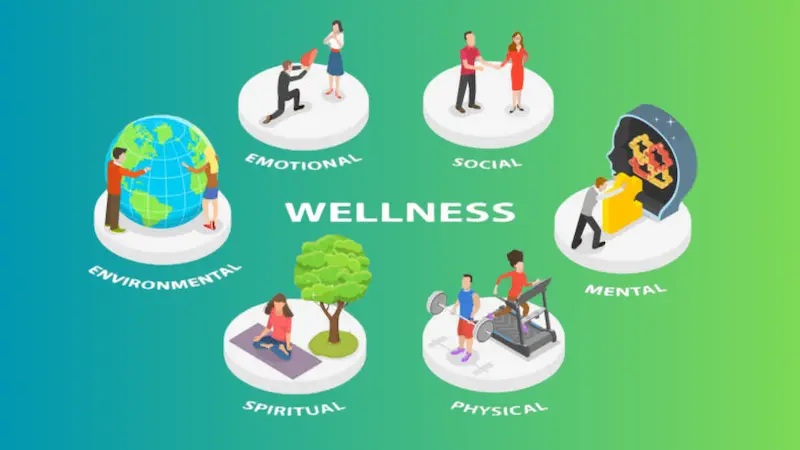
Table of Contents
Introduction: 8 Dimensions of Wellness for Complete Health
Let’s be honest.
In 2026, being “not sick” is simply not enough.
People wellness today means energy, clarity, emotional stability, purpose, financial peace and strong relationships. The conversation has shifted from treating disease to building total health.
The World Health Organization definition of health describes it as a state of complete physical, mental and social well-being and not merely the absence of disease. That single definition changed the entire health and wellness concept globally.
So when we talk about the definition of wellness, we are really talking about active choices. Wellness is the ongoing process of becoming aware of and making decisions toward a healthy and fulfilling life.
It is dynamic. It evolves.
And that is where the 8 dimensions of wellness framework comes in.
What Are the 8 Dimensions of Wellness?
The wellness 8 dimensions model was originally developed by Dr. Bill Hettler, co-founder of the National Wellness Institute. Since then, researchers, universities and public health bodies have adopted and expanded it.
The 8 pillars of wellness include:
1. Physical
2. Emotional
3. Intellectual
4. Social
5. Spiritual
6. Occupational
7. Environmental
8. Financial
Together, they create the full spectrum of dimensions of health.
Think of it like a wheel. When one area weakens, the entire system feels unstable.

Understanding the Wellness Continuum
Dr. John Travis introduced the idea of the wellness continuum. It shows that health is not binary.
You are not either sick or well.
You move along a spectrum that ranges from illness to optimal vitality.
Scientific literature from Google Scholar supports that lifestyle behaviors such as physical activity, stress management, nutrition quality, sleep regulation and social connection significantly shift individuals toward higher wellness states.
So yes, wellness is intentional movement toward thriving. Lets discuss dimensions of wellness one by one .
1. Physical Dimension of Wellness
This is the most visible element of wellness. The physical dimension of wellness focuses on:
- Regular movement
- Balanced nutrition
- Sleep hygiene
- Preventive healthcare
- Avoidance of harmful substances
According to research published in The Lancet and JAMA, consistent moderate exercise reduces all-cause mortality risk and improves metabolic and cardiovascular outcomes. Physical wellness is not about extreme fitness culture.It is about sustainable habits. Ask yourself:
Are you fueling your body or just feeding it?
2. Emotional and Mental Dimension of Health
The mental dimension of health and emotional wellness are deeply interconnected. The American Psychological Association defines emotional wellness as the ability to understand, accept and manage feelings effectively. Studies show chronic stress increases inflammatory markers, disrupts sleep cycles and elevates cardiovascular risk.
Simple practices improve emotional stability:
- Journaling
- Mindfulness
- Therapy
- Emotional regulation skills
- Strong support systems
Total health in 2026 requires psychological resilience. Because burnout is not a badge of honour.
3. Intellectual Dimension of Wellness
The intellectual dimension of wellness involves lifelong learning, creativity and critical thinking. Neuroscience research confirms that cognitive stimulation supports neuroplasticity and reduces age-related cognitive decline. Reading, problem solving, learning new languages, academic engagement and meaningful discussions all enhance intellectual wellness. Curiosity protects the brain. Stagnation weakens it.
4. Social Dimension of Wellness
Humans are biologically wired for connection. While discussing dimensions of wellness, social dimension is one of the dimensions having prime importance.
Harvard’s long-term Study of Adult Development found that strong relationships are one of the strongest predictors of longevity and life satisfaction.
Social wellness includes:
- Supportive friendships
- Healthy family bonds
- Community belonging
- Clear communication
Isolation increases mortality risk comparable to smoking. Connection heals.
5. Spiritual Dimension of Wellness
The spiritual dimension of wellness does not necessarily mean religion, though it can. It refers to meaning, purpose and alignment with personal values. Research in positive psychology demonstrates that individuals with a strong sense of purpose show lower stress biomarkers and improved immune response. Purpose protects mental stability.
Spiritual wellness practices may include:
- Prayer
- Meditation
- Gratitude reflection
- Nature connection
- Service to others
6. Occupational Dimension of Wellness
Work occupies a major part of adult life. Occupational wellness is an important dimension among 8 dimensions of wellness.
Occupational wellness means:
- Job satisfaction
- Work life balance
- Ethical alignment
- Growth opportunities
Burnout research by Christina Maslach shows chronic workplace stress leads to emotional exhaustion and reduced productivity. In 2026, occupational wellness means working with purpose, not just pressure.
7. Environmental Dimension of Wellness
Environmental dimension among dimensions of wellness says, Your surroundings affect your physiology.
Environmental wellness includes:
- Clean air
- Safe housing
- Organized spaces
- Sustainable living
- Reduced toxin exposure
Studies in environmental health show that pollution exposure correlates with respiratory disease and cognitive impairment. Decluttering your space can improve mental clarity. Your environment shapes your biology.
8. Financial Dimension of Wellness
Financial stress is one of the leading causes of anxiety globally. Financial wellness does not mean extreme wealth.
It means:
- Budget awareness
- Savings planning
- Debt management
- Financial literacy
Research shows financial insecurity directly increases cortisol levels and emotional distress. Making financial dimension one of the important dimensions of wellness.Peace of mind is part of total health.
Why the 8 Dimensions of Wellness Matter
Health challenges today are multifactorial. Chronic disease, burnout, anxiety, metabolic disorders and social isolation are interconnected. The importance of wellness lies in integration. When physical, mental, emotional, spiritual and financial dimensions of health are aligned, resilience increases. That is real wellness.
How to Achieve Total Health
Let’s make it practical.
Here is a simple framework:
1. Audit your current wellness 8 dimensions honestly
2. Choose one dimension to improve monthly
3. Set small measurable goals
4. Track habits weekly
5. Reflect quarterly
You do not need perfection. You need consistency.
| Define Health Wellness in One Sentence |
|---|
|
Health and wellness definition in simple terms: Health is a state of optimal physical and mental functioning. |
FAQs
What are the 8 dimensions of wellness?
The 8 dimensions of wellness include physical, emotional, intellectual, social, spiritual, occupational, environmental and financial wellness. Together they represent the full dimensions of health.
What is the difference between health and wellness?
The definition of health refers to a state of well-being. The definition of wellness refers to the ongoing process of achieving that state through conscious lifestyle choices.
Why is the wellness continuum important?
The wellness continuum shows that health exists on a spectrum. Individuals can move toward higher vitality through intentional behavior changes.
How can people improve their mental dimension of health?
By practicing stress management, maintaining strong social connections, engaging in therapy when needed and prioritizing sleep and physical activity.
Are the 8 pillars of wellness evidence based?
Yes. 8 dimensions of wellness are evidence based. The model has been adopted by universities, public health institutions and supported by research in psychology, behavioural science and preventive medicine.
Final thoughts
Total health is not accidental. It is designed with dimensions of wellness. Every small habit matters. Every choice influences your position on the wellness continuum. You do not need to fix everything today. Just start with one dimension. And then build all the dimensions of wellness. Because wellness is not a trend. It is a lifelong commitment to becoming your strongest, calmest and most aligned self.
If you are exploring the 8 dimensions of wellness, you may also enjoy our evidence based guides on Metabolic Health, where we discuss insulin balance, weight regulation and preventive strategies for long term vitality. For practical routines, read our article on Fitness and Wellness Plans for Busy Professionals, which shows how to improve the physical and mental dimension of health in just 30 minutes a day.
If your focus is glow and confidence, our Skincare and Beauty section breaks down science backed ingredients and skin barrier support strategies. You can also strengthen the nutritional element of wellness through our insights on Adult and Child Nutrition, while our Herbal Miracles category explores traditional remedies supported by modern research. Together, these articles help you move steadily along the wellness continuum toward complete health and wellness.






- Be Respectful
- Stay Relevant
- Stay Positive
- True Feedback
- Encourage Discussion
- Avoid Spamming
- No Fake News
- Don't Copy-Paste
- No Personal Attacks
- Be Respectful
- Stay Relevant
- Stay Positive
- True Feedback
- Encourage Discussion
- Avoid Spamming
- No Fake News
- Don't Copy-Paste
- No Personal Attacks
