Everything You Need to Know About Ashwagandha
Published: 25 Jan 2026
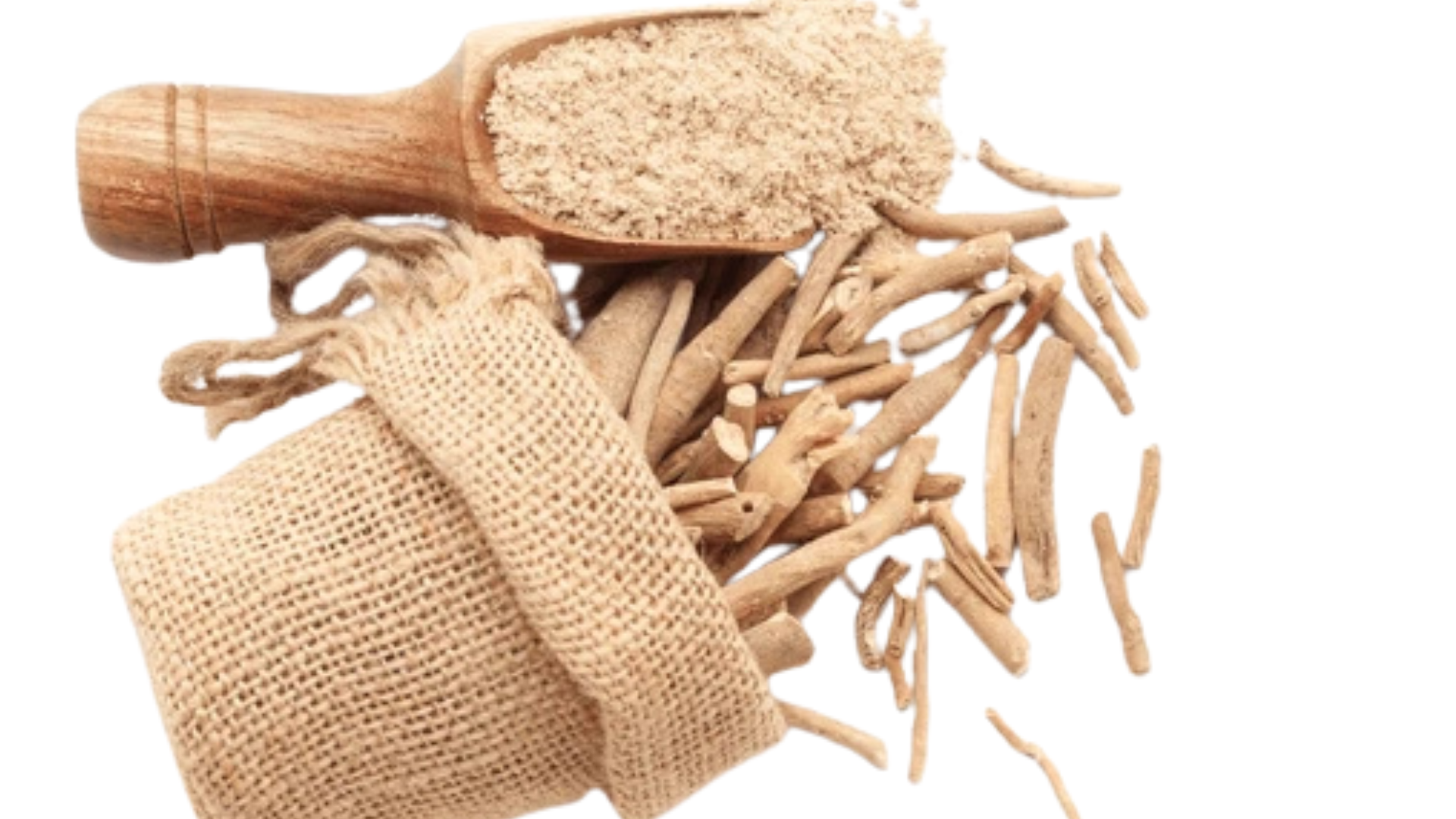
Table of Contents
Introduction:
Why Is Everyone Talking About Ashwagandha?
If you have searched for stress relief, better sleep, or natural energy support, you have likely come across ashwagandha. It shows up in supplements, drinks, wellness blogs, and even major retail stores like Walmart, CVS, and Target.
Ashwagandha is not a trend. It is one of the most researched adaptogenic herbs in the world, with roots in Ayurveda that go back more than 3,000 years. Today, modern science is validating many of its traditional uses.
Let’s break it all down in a clear, honest, and science-backed way.
What Is Ashwagandha?
Ashwagandha, scientifically known as Withania somnifera, is a medicinal herb primarily grown in India, parts of Africa, and the Middle East. The root is the most commonly used part, although leaves are sometimes included in extracts.
In Ayurveda, ashwagandha is classified as a Rasayana. This means it is believed to promote longevity, resilience, and overall vitality.
Ashwagandha Pronunciation
Ashwagandha is pronounced as uh-shwa-gun-duh.
The name comes from Sanskrit and roughly translates to “smell of a horse,” which symbolized strength and endurance in ancient texts.
Ashwagandha: What Does It Do?
People often ask, what does ashwagandha actually do?
Ashwagandha helps the body adapt to physical and mental stress. It works by supporting the hypothalamic-pituitary-adrenal axis, which controls cortisol, the main stress hormone.
According to clinical studies published in Google Scholar–indexed journals, ashwagandha may:
• Reduce stress and anxiety
• Improve sleep quality
• Support cognitive performance
• Enhance physical strength and endurance
• Support immune balance
• Help regulate blood sugar and inflammation
This combination of benefits is why it is classified as an adaptogen.
Ashwagandha Effects on the Body
The effects of ashwagandha depend on consistency, dosage, and extract quality.
Short-term effects often include a calming sensation, improved sleep onset, and reduced mental fatigue. Over time, people report better emotional balance, improved focus, and stable energy levels.
Research also suggests potential benefits for thyroid function, male and female reproductive health, and metabolic balance, although these effects require professional supervision.
How Long Does Ashwagandha Take to Work?
Ashwagandha is not a quick fix.
Most clinical trials show noticeable results within 2 to 4 weeks for stress and sleep improvement. Hormonal balance, endurance, and cognitive benefits usually appear after 6 to 8 weeks of consistent use.
This timeline aligns with its adaptogenic nature, which focuses on gradual regulation rather than instant stimulation.
How to Take Ashwagandha Correctly
shwagandha can be taken in several forms:
• Capsules
• Powder
• Liquid extracts
• Ashwagandha drink formulations
Capsules are the most standardized and convenient. Powder is traditionally mixed into warm milk or water. Many people take it after meals to reduce stomach discomfort.
For general wellness, once or twice daily dosing is common. Always follow label instructions or professional advice.
Ashwagandha Drink: Traditional and Modern Use
An ashwagandha drink is a traditional preparation made by mixing the root powder with warm milk, plant milk, or water. Honey is sometimes added for taste.
In modern wellness culture, ready-made ashwagandha drinks and functional beverages are becoming popular due to convenience and taste.
These drinks are often used at night to support relaxation and sleep.
| Ashwagandha While Breastfeeding: Is It Safe? |
|---|
|
Ashwagandha is not routinely recommended during breastfeeding. There is limited human clinical data on its safety for nursing infants. Since ashwagandha can influence hormones and stress pathways, healthcare professionals advise caution. If you are breastfeeding, always consult a qualified healthcare provider before using ashwagandha or any herbal supplement. |
Ashwagandha Best Brand: What Really Matters
The best ashwagandha brand is not about marketing. It is about quality and transparency.
Look for brands that:
• Use root-only extracts
• Are standardized for withanolide content
• Are third-party tested
• Clearly list dosage and sourcing
Clinically studied extracts such as KSM-66 and Sensoril are commonly used by reputable brands due to their research backing.
Ashwagandha at Walmart, CVS, and Target
Ashwagandha is widely available at major retailers.
Ashwagandha Walmart
Walmart carries a wide range of ashwagandha products including capsules, powders, and gummies. Prices vary, and quality depends on brand transparency.
Ashwagandha CVS
CVS often stocks stress-support formulas that include ashwagandha combined with magnesium or L-theanine. Online selection is usually broader than in-store.
Ashwagandha Target
Target focuses on wellness-oriented brands with clean labeling. Gummies and daily stress supplements are particularly popular.
Always read labels carefully, regardless of retailer.
Potential Side Effects and Safety Consideration
Ashwagandha is generally well tolerated when used correctly.
Possible side effects include mild digestive upset, drowsiness, or headache. People with thyroid disorders, autoimmune conditions, or those taking sedatives should consult a healthcare professional before use.
Pregnant women should avoid ashwagandha unless advised otherwise.
FAQs
Is ashwagandha safe for daily use?
Yes, for most healthy adults, daily use within recommended doses is considered safe according to clinical studies.
Can ashwagandha help with sleep?
Yes. Research shows improved sleep quality and reduced sleep latency in people using standardized ashwagandha extracts.
Does ashwagandha increase energy or make you sleepy?
It balances energy. Many people feel calmer during the day and sleep better at night rather than feeling stimulated.
Can I take ashwagandha with other supplements?
In many cases, yes. Still, combining it with medications or hormone-affecting supplements should be done carefully.
Is ashwagandha suitable for long-term use?
Studies up to 12 weeks show good safety profiles. Long-term use should be monitored by a professional.
Final Thoughts:
Why Ashwagandha Still Matters Today
Ashwagandha bridges ancient wisdom and modern science. In a world filled with chronic stress, poor sleep, and burnout, this herb offers gentle yet meaningful support.
Its growing popularity is not accidental. It is backed by tradition, validated by research, and embraced globally.
For more wellness related tips visit www.beautynwellnesshub.com






- Be Respectful
- Stay Relevant
- Stay Positive
- True Feedback
- Encourage Discussion
- Avoid Spamming
- No Fake News
- Don't Copy-Paste
- No Personal Attacks
- Be Respectful
- Stay Relevant
- Stay Positive
- True Feedback
- Encourage Discussion
- Avoid Spamming
- No Fake News
- Don't Copy-Paste
- No Personal Attacks
