Gut Microbiome: 7 Proven Strategies for a Healthier Digestive System
Published: 15 Mar 2026
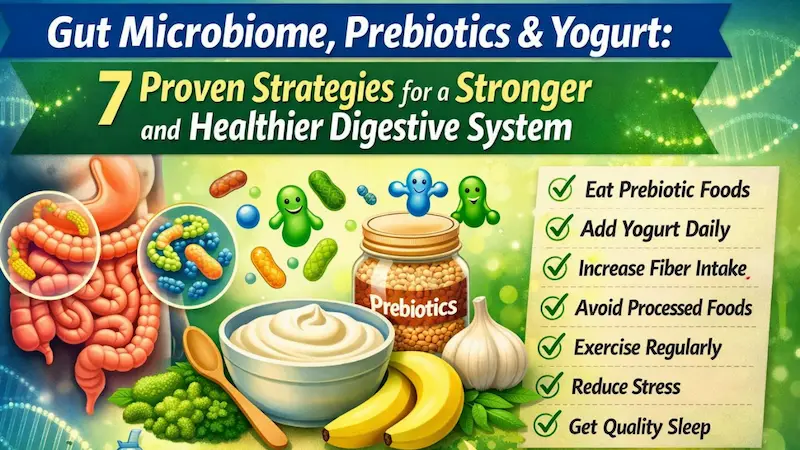
Table of Contents
Gut Microbiome, Prebiotics & Yogurt: 7 Proven Strategies for a Healthier Digestive System
Introduction:
Your digestive system is home to trillions of microorganisms. These microbes form what scientists call the gut microbiome.
In simple words, the gut microbiome is a living ecosystem inside your intestines. It contains beneficial bacteria, fungi, and other microorganisms that support digestion, immunity, and even mental health.
Researchers now believe that gut health is one of the most powerful drivers of overall wellness.
Scientific studies published in journals such as Nature Reviews Gastroenterology & Hepatology and Cell show that a balanced microbiome supports metabolism, reduces inflammation, and strengthens immune defence.
Two dietary components play a major role in nurturing these beneficial microbes.
These are prebiotics and yogurt.
Prebiotics feed healthy bacteria. Yogurt introduces beneficial probiotics. When combined properly, they create a powerful strategy for improving digestive health.
In this guide you will discover 7 proven strategies to strengthen your gut microbiome naturally.
What Is the Gut Microbiome?
The gut microbiome refers to the community of microorganisms living in the digestive tract.
The human gut contains more than 100 trillion microbes representing thousands of species.
These microbes perform several critical functions.
- Digest complex carbohydrates
- Produce vitamins such as vitamin K and B vitamins
- Regulate immune function
- Protect against harmful bacteria
- Influence mood and brain function through the gut brain axis
When the microbiome is balanced, digestion works smoothly.
When it becomes imbalanced, a condition called dysbiosis may occur. Dysbiosis has been linked with conditions such as:
- Irritable bowel syndrome
- Obesity
- Type 2 diabetes
- Inflammatory bowel disease
- Depression and anxiety
This is why improving gut microbiome health has become a major focus of modern nutritional science.
Understanding Prebiotics
Prebiotics are non digestible fibres that feed beneficial gut bacteria. Unlike probiotics which contain live bacteria, prebiotics act as food for the microbes already present in the gut.
Common prebiotic fibers include:
- Inulin
- Fructooligosaccharides
- Galactooligosaccharides
- Resistant starch
Foods rich in prebiotics include:
- Garlic
- Onion
- Bananas
- Asparagus
- Oats
- Chicory root
Scientific research in The Journal of Nutrition shows that prebiotics stimulate the growth of beneficial bacteria such as Bifidobacteria and Lactobacillus.
These bacteria help maintain digestive balance and support immune function.
| Why Yogurt Is Powerful for Gut Health |
|---|
|
Yogurt is one of the most accessible natural probiotic foods. It contains beneficial bacteria such as:
These bacteria support digestion and help restore microbial balance. Studies published in Frontiers in Microbiology suggest that regular yogurt consumption may improve:
When yogurt is combined with prebiotic rich foods, it forms what scientists call a synbiotic relationship. This means probiotics and prebiotics work together to strengthen gut health. |
7 Proven Strategies for a Stronger and Healthier Digestive System
1. Feed Your Gut Microbiome With Prebiotic Foods
Healthy bacteria need fuel to survive. Prebiotic foods nourish beneficial microbes and help them multiply.
Add foods such as:
- Bananas
- Oats
- Garlic
- Leeks
- Whole grains
Regular intake of prebiotics improves microbial diversity, which is a key indicator of a healthy gut.
2. Include Yogurt in Your Daily Diet
Yogurt introduces live beneficial bacteria into the digestive system. Choose plain yogurt with live cultures instead of flavored varieties that contain excess sugar.
A daily serving of yogurt may help:
- Improve digestion
- Reduce bloating
- Enhance nutrient absorption
For even greater benefits, combine yogurt with fibre rich fruits.
3. Combine Prebiotics and Yogurt for Symbiotic Benefits
The combination of prebiotics and yogurt creates a powerful gut health synergy.
For example:
- Yogurt with banana slices
- Yogurt with oats
- Yogurt with flaxseed
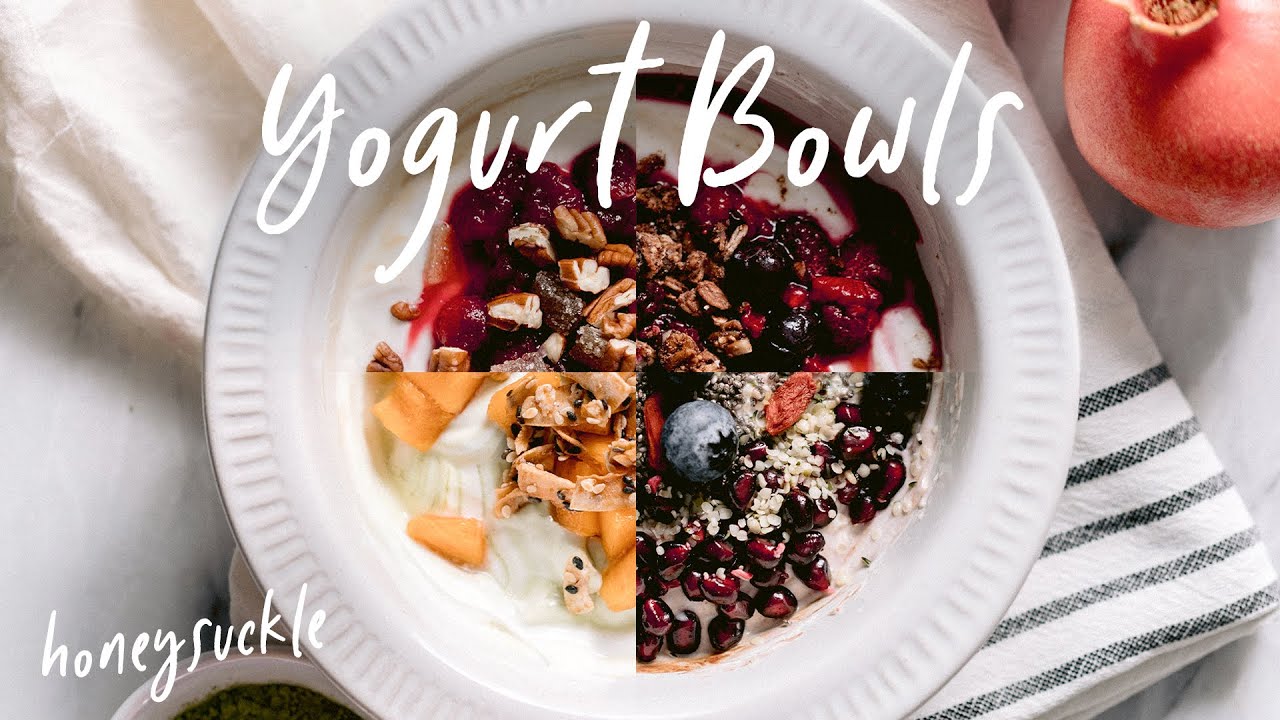
This pairing feeds beneficial bacteria and supports their survival in the intestine. Watch delicious breakfast yogurt bowl in below given video.
4. Increase Dietary Fibre Intake
Dietary fibre is essential for maintaining a healthy gut microbiome. Fibre acts as a fermentation substrate for gut bacteria. During fermentation, microbes produce short chain fatty acids such as:
- Butyrate
- Propionate
- Acetate
These compounds protect the intestinal lining and reduce inflammation.
High fibre diets have been associated with improved digestive function and reduced risk of colon disease.
5. Limit Ultra Processed Foods
Highly processed foods can negatively affect the gut microbiome. Diets high in refined sugars and artificial additives may reduce microbial diversity.
Instead focus on:
- Whole foods
- Fermented foods
- Natural fibres
This dietary pattern supports beneficial microbial growth.
6. Stay Physically Active
Exercise also influences gut microbiota composition.
Studies published in Gut Microbes indicate that regular physical activity increases microbial diversity and beneficial bacteria populations.
Even moderate activities such as walking can improve digestive health. Read “Fitness and Wellness Plan for Busy Professionals”
7. Manage Stress and Sleep Quality
The gut and brain communicate through the gut brain axis. Chronic stress can alter gut bacteria and disrupt digestion. Healthy habits such as:
- Adequate sleep
- Mindfulness practices
- Relaxation techniques
can help maintain microbiome balance.
An imbalanced microbiome can produce several symptoms. Common warning signs include:
- Frequent bloating
- Irregular bowel movements
- Food intolerances
- Fatigue
- Skin issues
- Frequent infections
If these symptoms persist, improving diet and lifestyle may help restore microbial balance.
The Future of Gut Microbiome Research
Scientists are still uncovering the vast influence of gut microbes on human health.
Emerging research suggests links between the microbiome and:
- Mental health disorders
- Autoimmune diseases
- Skin health
- Aging processes
Nutrition strategies that include prebiotics and probiotic foods like yogurt are currently among the most effective ways to support microbiome health naturally.
Conclusion
The gut microbiome plays a central role in digestion, immunity, and overall wellbeing. Supporting this microbial ecosystem does not require complicated interventions.
Simple dietary habits can make a profound difference.
Regular consumption of prebiotic foods and probiotic rich yogurt, combined with healthy lifestyle choices, helps maintain microbial balance.
Over time these habits contribute to a stronger digestive system and better overall health. Taking care of your gut means taking care of your entire body.
FAQs
What is the gut microbiome?
The gut microbiome is the collection of microorganisms living in the digestive tract. These microbes help digest food, produce vitamins, and regulate immune responses.
Are prebiotics and probiotics the same?
No. Prebiotics are fibers that feed beneficial bacteria. Probiotics are live microorganisms that add beneficial bacteria to the gut.
Is yogurt good for gut microbiome health?
Yes. Yogurt contains probiotic bacteria that can support microbial balance, improve digestion, and enhance immune function.
How long does it take to improve gut microbiome health?
Positive changes in gut bacteria may begin within a few weeks after improving diet and increasing fiber and probiotic intake.
Which foods are the best natural prebiotics?
Foods such as garlic, onion, oats, bananas, asparagus, and chicory root are excellent natural sources of prebiotics.
For more wellness related content do visit www.beautynwellnesshub.com and share your thoughts about this article in comment section.

How Exercise Strengthen Defence System Over Time: 7 Proven Secrets for Strong Immunity





- Be Respectful
- Stay Relevant
- Stay Positive
- True Feedback
- Encourage Discussion
- Avoid Spamming
- No Fake News
- Don't Copy-Paste
- No Personal Attacks
- Be Respectful
- Stay Relevant
- Stay Positive
- True Feedback
- Encourage Discussion
- Avoid Spamming
- No Fake News
- Don't Copy-Paste
- No Personal Attacks
