Metabolic Syndrome and Hidden Nutrient Deficiencies: The Overlooked Root Cause of Modern Metabolic Disease
Published: 14 Feb 2026
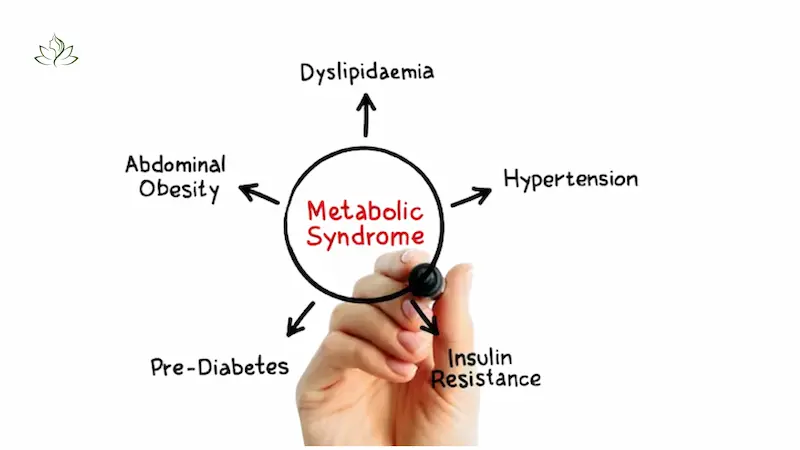
Table of Contents
Introduction:
Metabolic syndrome is not just about weight gain. It is not just about blood sugar. And it is definitely not just about cholesterol. It is a silent cluster of metabolic dysfunction that includes abdominal obesity, high blood pressure, elevated fasting glucose, high triglycerides, and low HDL cholesterol. When three or more of these are present, a person is diagnosed with metabolic syndrome.
But here is the part many discussions miss. What if the real driver is not only excess calories, but hidden micronutrient deficiencies quietly impairing metabolism? Let’s unpack this evidence-based connection.
What Is Metabolic Syndrome?
Metabolic syndrome is a cluster of cardiometabolic risk factors that significantly increase the risk of:
1.Type 2 diabetes
2.Cardiovascular disease
3.Stroke
4.Non-alcoholic fatty liver disease
5.Cognitive decline
According to research published in journals indexed in Google Scholar such as The Lancet and Circulation, metabolic syndrome affects nearly one in four adults globally.
It is now considered a global epidemic.
At its core lies insulin resistance, chronic low-grade inflammation, oxidative stress, and mitochondrial dysfunction.
Now the important question.
What fuels these processes?
The Hidden Layer: Micronutrient Deficiency and Metabolic Dysfunction
Calories provide energy. Micronutrients make metabolism possible. Without adequate vitamins and minerals, the body cannot regulate insulin signaling, lipid metabolism, mitochondrial energy production, or inflammatory pathways effectively. Books on nutritional biochemistry and peer-reviewed studies repeatedly highlight this. Subclinical nutrient deficiencies are common even in overweight individuals.
Yes, you can be overfed and undernourished at the same time.
This paradox explains a lot.
Magnesium Deficiency and Insulin Resistance
While talking about Insulin Resistance, Magnesium is one of the most studied minerals in metabolic health. It plays a role in more than 300 enzymatic reactions. Many of these directly regulate glucose metabolism and insulin signaling. Research published in Diabetes Care shows that low magnesium levels are strongly associated with insulin resistance and increased risk of type 2 diabetes.
Magnesium deficiency can lead to:
- Impaired insulin receptor activity
- Increased inflammation
- Elevated blood pressure
- Poor glucose control
Yet modern diets low in whole grains, legumes, and leafy greens make magnesium deficiency surprisingly common.
Vitamin D Deficiency and Metabolic Syndrome
Vitamin D is not just about bones. Vitamin D receptors are present in pancreatic beta cells, adipose tissue, and muscle. Studies from The Journal of Clinical Endocrinology & Metabolism show that vitamin D deficiency is associated with:
- Increased insulin resistance
- Central obesity
- Elevated triglycerides
- Higher inflammatory markers
Globally, vitamin D deficiency is widespread, even in sunny regions. Low vitamin D levels can worsen metabolic dysfunction and make weight loss harder.
Vitamin B12 and Mitochondrial Energy Failure
B12 is essential for mitochondrial function and red blood cell formation. Suboptimal B12 levels have been linked to:
- Fatigue
- Elevated homocysteine
- Increased cardiometabolic risk
- Neurological changes
Research published in Nutrients suggests that B12 deficiency may contribute to metabolic abnormalities, especially in individuals using long-term metformin. When mitochondria cannot generate energy efficiently, metabolic flexibility declines. That is where metabolic syndrome thrives.
Iron Deficiency and Metabolic Health
Iron deficiency is often associated with anaemia, but its metabolic role is broader.Iron is required for oxygen transport and mitochondrial energy production. Chronic low iron levels can lead to:
- Fatigue
- Poor exercise tolerance
- Reduced metabolic rate
On the other side, excess iron also increases oxidative stress. Balance is everything.
Omega 3 Deficiency and Chronic Inflammation
Omega 3 fatty acids regulate inflammation and lipid metabolism. A deficiency can promote:
- Elevated triglycerides
- Increased inflammatory cytokines
- Endothelial dysfunction
Systematic reviews in journals like Progress in Lipid Research show that omega 3 supplementation improves triglyceride levels and reduces cardiovascular risk factors. In metabolic syndrome, chronic inflammation acts like background noise that never switches off. Omega 3 helps quiet that signal.
Zinc, Chromium, and Trace Minerals
Trace minerals often receive little attention. Yet chromium improves insulin sensitivity. Zinc supports antioxidant enzymes and immune function. Deficiencies in these minerals may worsen glucose dysregulation and oxidative stress. Highly processed diets are low in these micronutrients. This is not coincidence.
Why Standard Treatment Often Misses the Root Cause
Conventional management of metabolic syndrome focuses on:
- Blood pressure medication
- Statins
- Glucose lowering drugs
- Calorie restriction
These are important in many cases. But addressing micronutrient deficiencies is rarely prioritized. Functional and integrative nutrition research suggests that restoring nutrient sufficiency improves metabolic resilience. This approach targets root mechanisms, not just lab numbers.
Evidence-Based Strategy to Correct Hidden Deficiencies
If someone has metabolic syndrome, consider evaluating:
- Serum vitamin D
- Serum B12
- Ferritin and iron studies
- Magnesium status
- Lipid profile
- Fasting insulin
A whole-food dietary pattern rich in:
- Leafy greens
- Seeds and nuts
- Legumes
- Fatty fish
- Eggs
- Fermented foods
can significantly improve micronutrient intake. Lifestyle factors also matter. Sleep, resistance training, sunlight exposure, and stress management improve nutrient utilisation.
When we look deeper, metabolic syndrome is not simply excess body fat. It is impaired cellular communication. It is mitochondrial inefficiency. It is chronic inflammation. And often, it is micronutrient depletion hidden beneath excess calories. Correcting deficiencies does not replace medical care.
It strengthens it.
FAQs:
Can nutrient deficiencies cause metabolic syndrome?
They may not directly cause it alone, but they significantly contribute to insulin resistance, inflammation, and metabolic dysfunction. Research supports a strong association.
Which deficiency is most linked with metabolic syndrome?
Magnesium and vitamin D are most consistently associated in clinical studies.
Should everyone with metabolic syndrome take supplements?
Not blindly. Testing and professional guidance are important. Food-first strategies are always preferred when possible.
Can correcting deficiencies reverse metabolic syndrome?
Combined with lifestyle changes, correcting deficiencies improves insulin sensitivity and may help reverse early metabolic syndrome.
Is metabolic syndrome reversible?
Yes, especially in early stages. Weight loss, nutrient repletion, physical activity, and dietary changes can significantly improve outcomes.
Final Thoughts:
We live in a time of calorie abundance but micronutrient scarcity. Metabolic syndrome is not just a disease of excess. It is often a disease of deficiency. When we shift the focus from restriction to restoration, the body responds differently. And that is where true metabolic healing begins
For more related articles visit www.beautynwellnesshub.com






- Be Respectful
- Stay Relevant
- Stay Positive
- True Feedback
- Encourage Discussion
- Avoid Spamming
- No Fake News
- Don't Copy-Paste
- No Personal Attacks
- Be Respectful
- Stay Relevant
- Stay Positive
- True Feedback
- Encourage Discussion
- Avoid Spamming
- No Fake News
- Don't Copy-Paste
- No Personal Attacks
