Nipah Virus Explained: Hidden Risks, Symptoms, and Why Experts Are Concerned
Published: 1 Feb 2026

Table of Contents
Introducion:
Health authorities continue to monitor new Nipah virus developments due to its high fatality rate and outbreak potential. Understanding the facts helps reduce fear and supports informed public response.
If you have been seeing headlines about the Nipah virus outbreak 2025, you are not alone. Each time new nipah virus cases are reported, public concern rises fast. That reaction makes sense. Nipah virus is not common, but when outbreaks happen, the consequences can be severe.
Let us walk through what this virus really is, where it came from, how it spreads, and why medical experts around the world continue to monitor it closely.
What Is the Nipah Virus?
Nipah virus is a zoonotic virus, meaning it can pass from animals to humans. The virus was first identified in Malaysia in 1998, and its name comes from Sungai Nipah, the village where the initial outbreak was investigated. It is pronounced “nee-pah,” a detail many readers often search for when learning about the disease for the first time.
Scientifically, Nipah virus belongs to the Henipavirus genus, a group of viruses naturally carried by fruit bats, also known as flying foxes. These bats do not usually become sick, but they can shed the virus in their saliva, urine, and partially eaten fruit. Humans become infected when they come into contact with contaminated food or animals, which explains the strong link between Nipah virus and bat populations. The same viral family also includes Hendra virus, and the absence of an approved human vaccine underscores how complex and difficult these bat-borne viruses are to control.
Nipah Virus Started in Which Country
Nipah virus started in which country is a common question. The first recognized outbreak occurred in Malaysia in 1998. It later appeared in Bangladesh and India, where repeated outbreaks have raised long-term public health concerns.
Today, Nipah virus in India is closely tracked due to periodic clusters of infection, especially in Kerala. Reports of nipah virus outbreak India often trigger rapid containment efforts.
Nipah Virus Outbreaks and Global Spread
Nipah virus outbreaks are unpredictable, deadly, and closely linked to environmental change. This combination increases global attention and expert concern.
Nipah virus outbreaks remain limited but serious. Most outbreaks have occurred in South and Southeast Asia. Nipah virus cases in Pakistan have not been officially confirmed, but health authorities remain alert due to regional proximity and shared ecological risk factors.
Experts monitor bat populations closely because fruit bats are the natural reservoir. Changes in climate, farming practices, and urban expansion increase contact between humans and infected animals.
Nipah Virus How Does It Spread
Understanding nipah virus how does it spread is key to prevention. The virus spreads through direct contact with infected animals, contaminated food, or bodily fluids of infected people.
Nipah virus spread through raw date palm sap contaminated by bats is well documented. Human to human transmission can occur through close contact, especially in healthcare settings.
This leads to a common question. Is nipah virus contagious? Yes, it can spread from person to person, though it is not airborne like influenza.
Nipah Virus Symptoms to Watch For
Early vs severe symptoms:
Recognizing early warning signs can save lives during outbreaks.
Nipah virus symptoms often start like a common viral illness. Fever, headache, muscle pain, vomiting, and sore throat are typical early signs.
As the infection progresses, severe complications may develop. Nipah virus encephalitis causes inflammation of the brain, leading to confusion, seizures, and coma. Respiratory distress can also occur in some patients.
Nipah Virus Effect on Human Body
The nipah virus effect on human body is aggressive. It attacks the central nervous system and can severely damage brain tissue. Some survivors experience long-term neurological problems such as memory loss or personality changes.
This is why many ask, nipah virus is dangerous or not? Medical evidence clearly shows that it is one of the most dangerous emerging viruses known.
Nipah virus death rate ranges from 40 to 75 percent depending on the outbreak and quality of medical care. This high fatality rate is one of the main reasons global health agencies consider it a priority pathogen.
Early diagnosis and supportive care can improve survival, but there is still no specific antiviral cure.
Nipah Virus Diagnosis & Treatment Options
Nipah virus diagnosis relies on specialized laboratory tests. These include RT-PCR, ELISA, and virus isolation, usually performed in high-containment laboratories.
Because symptoms resemble other infections, early suspicion based on exposure history is critical.
There is no approved specific nipah virus treatment yet. Care focuses on managing symptoms, reducing brain swelling, and supporting breathing.
Experimental therapies and monoclonal antibodies are under investigation, but they remain limited to research settings.
Nipah Virus Prevention and Control
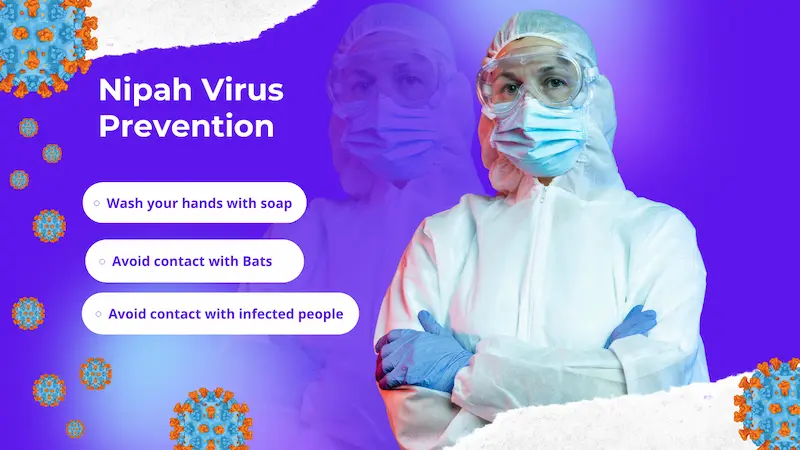
Nipah virus prevention depends on reducing exposure risks. Avoiding raw date palm sap, limiting contact with sick animals, and following strict infection control measures in hospitals are essential.
Public awareness plays a major role. During outbreaks, rapid isolation and contact tracing have proven effective in controlling spread.
Health experts remain concerned because Nipah virus combines high mortality with pandemic potential. It can mutate, spread through close contact, and lacks a licensed vaccine. Increased global travel and environmental disruption raise the risk of wider transmission if early containment fails.
FAQs:
Is Nipah virus contagious between humans
Yes. Nipah virus transmission can occur through close contact with infected bodily fluids, especially in caregiving and healthcare environments.
What is the main nipah virus reason for outbreaks
The primary nipah virus reason is increased contact between humans, bats, and contaminated food sources.
Are there confirmed nipah virus cases in Pakistan
Currently, there are no confirmed nipah virus cases in Pakistan, but surveillance remains active.
Can Nipah virus be cured
There is no definitive cure yet. Treatment focuses on supportive medical care.
How can individuals protect themselves
Avoid raw palm sap, practice good hygiene, and follow public health advisories during outbreaks.
Final Thoughts:
Nipah virus remains rare, but its impact is profound. Understanding nipah virus transmission, symptoms, and prevention empowers communities to respond calmly and effectively. As research advances, early awareness remains our strongest defense.
For more Health & Wellness related tips visit www.beautynwellnesshub.com






- Be Respectful
- Stay Relevant
- Stay Positive
- True Feedback
- Encourage Discussion
- Avoid Spamming
- No Fake News
- Don't Copy-Paste
- No Personal Attacks
- Be Respectful
- Stay Relevant
- Stay Positive
- True Feedback
- Encourage Discussion
- Avoid Spamming
- No Fake News
- Don't Copy-Paste
- No Personal Attacks
