Omega 3 Fatty Acids for Lipid Balance: Secret to Lower lipids Naturally
Published: 17 Mar 2026
Table of Contents
Omega 3 Fatty Acids for Lipid Balance: A Complete, Evidence-Based Guide
Introduction:
Maintaining healthy cholesterol and triglyceride levels is essential for long-term cardiovascular wellness, and one of the most researched nutritional tools for this purpose is omega-3 fatty acids. Omega-3s are essential fats, meaning your body cannot produce them on its own – you must obtain them through diet or supplementation.
Read our complete blog on “Top 10 Supplements for Metabolic Health”
When used consistently and correctly, omega-3 fatty acids can play a meaningful role in improving lipid balance, supporting heart health, and reducing inflammation.
What Are Omega-3 Fatty Acids?
Before discussing Omega-3 Fatty Acids for Lipid Balance, let’s study what omega-3 fatty acids are.
Omega-3 fatty acids are a group of polyunsaturated fats that include three primary types: EPA (eicosapentaenoic acid), DHA (docosahexaenoic acid), and ALA (alpha-linolenic acid). EPA and DHA are mainly found in fatty fish such as salmon, mackerel, and sardines, while ALA is present in plant-based sources like flaxseeds, chia seeds, and walnuts. Among these, EPA and DHA are the most biologically active forms when it comes to improving lipid profiles and supporting cardiovascular health.
How Omega-3s Improve Lipid Balance
Omega-3 fatty acids are particularly effective at lowering triglyceride levels, which are a key risk factor for heart disease when elevated. Regular intake of EPA and DHA has been shown to reduce triglycerides by 20–30% in many individuals. They also help increase HDL (good cholesterol) slightly and may improve the size and quality of LDL (bad cholesterol) particles, making them less harmful. Unlike many medications, omega-3s work by reducing the liver’s production of triglycerides and enhancing their clearance from the bloodstream, offering a natural and well-tolerated approach to lipid management.
Additional Cardiovascular Benefits
Beyond lipid balance, omega-3 fatty acids provide several heart-protective benefits. They possess anti-inflammatory properties, help reduce blood pressure, support healthy blood vessel function, and may lower the risk of arrhythmias. This makes them a valuable addition to both preventive and therapeutic strategies for cardiovascular disease, especially when combined with a balanced diet and healthy lifestyle.
Best Dietary Sources of Omega-3
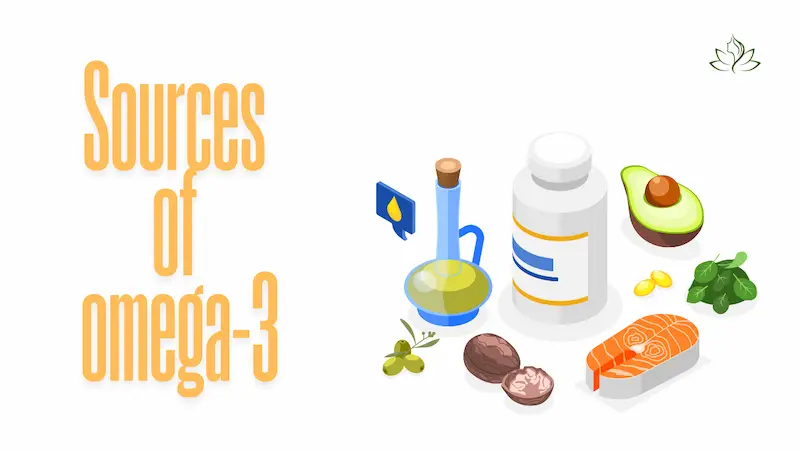
To know about benefits of Omega-3 Fatty Acids for Lipid Balance, incorporating omega-3-rich foods into your daily diet is essential. Fatty fish such as salmon, sardines, tuna, and mackerel are among the best sources of EPA and DHA. For those following plant-based diets, flaxseeds, chia seeds, hemp seeds, and walnuts provide ALA, which the body can partially convert into EPA and DHA, though the conversion rate is relatively low. Fortified foods and high-quality fish oil or algae-based supplements can also help meet daily requirements.
Recommended Dosage for Lipid Control
The appropriate dosage of omega-3 fatty acids depends on individual health goals. For general health, 250–500 mg of combined EPA and DHA per day is typically sufficient. However, for managing high triglyceride levels, higher doses ranging from 2 to 4 grams per day are often recommended under medical supervision. Prescription omega-3 formulations are also available for individuals with significantly elevated triglycerides and should be used as directed by a healthcare professional.
Are Omega-3 Supplements Safe?
Omega-3 supplements are generally considered safe and well-tolerated when taken within recommended limits. Mild side effects may include a fishy aftertaste, digestive discomfort, or nausea. To minimize these effects, it is advisable to take supplements with meals and choose high-quality, purified products. Individuals taking blood-thinning medications or those with underlying health conditions should consult a healthcare provider before starting omega-3 supplementation.
Practical Tips to Maximise Results
For optimal lipid balance, omega-3 intake should be combined with other heart-healthy habits. This includes reducing intake of trans fats and refined carbohydrates, increasing fiber consumption, maintaining a healthy weight, and engaging in regular physical activity. Consistency is key – benefits from omega-3s are typically seen after several weeks of continuous use.
❓ FAQs
1. How do omega 3 fatty acids help in lipid balance?
Omega 3 fatty acids help reduce triglyceride levels, slightly increase HDL (good cholesterol), and improve the quality of LDL cholesterol, supporting overall lipid balance and cardiovascular health.
2. What is the best source of omega 3 for cholesterol control?
Fatty fish like salmon, sardines, and mackerel are the best sources of EPA and DHA, which are most effective for improving lipid profiles and reducing triglycerides.
3. How much omega 3 should I take for high triglycerides?
For high triglyceride levels, 2 – 4 grams of combined EPA and DHA per day is typically recommended under medical supervision.
4. Can omega 3 fatty acids lower bad cholesterol (LDL)?
Omega 3s do not significantly lower LDL cholesterol but help improve its particle size, making it less harmful and reducing cardiovascular risk.
5. Are omega 3 supplements safe for daily use?
Yes, omega 3 supplements are generally safe when taken within recommended doses. However, individuals on blood thinners or with medical conditions should consult a doctor first.
🧾 Conclusion
Omega 3 fatty acids play a vital role in maintaining healthy lipid balance by effectively lowering triglycerides, supporting good cholesterol levels, and improving overall heart health. Backed by strong scientific evidence, they offer a natural and reliable approach to cardiovascular wellness. Whether obtained through diet or high-quality supplements, consistent intake of omega 3 fatty acids can significantly contribute to better long-term health outcomes, especially when combined with a balanced lifestyle and proper nutrition.
For more wellness related content do visit www.beautynwellnesshub.com






- Be Respectful
- Stay Relevant
- Stay Positive
- True Feedback
- Encourage Discussion
- Avoid Spamming
- No Fake News
- Don't Copy-Paste
- No Personal Attacks
- Be Respectful
- Stay Relevant
- Stay Positive
- True Feedback
- Encourage Discussion
- Avoid Spamming
- No Fake News
- Don't Copy-Paste
- No Personal Attacks
