Oxidative Stress: The Hidden Driver of Aging, Disease, and Cellular Damage
Published: 4 Mar 2026
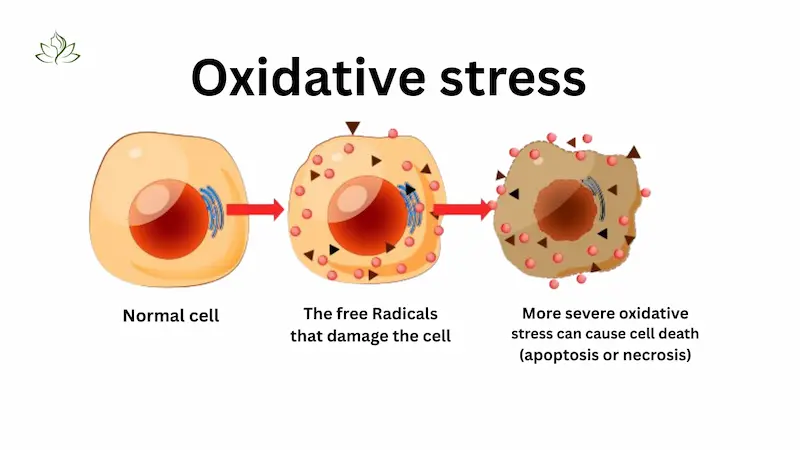
Table of Contents
Oxidative Stress Explained: Causes, Symptoms, Prevention & Antioxidant Science Guide
Introduction:
You may have heard the term oxidative stress in skincare, medicine, or nutrition discussions. Yet many people still wonder what it actually means.
In simple words, it happens when harmful molecules called free radicals overpower your body’s natural defence system known as antioxidants.
Your body constantly produces energy. During this process, oxygen is used inside cells. A small portion of oxygen turns into unstable molecules called Reactive Oxygen Species (ROS).
These molecules are normal. Problems begin when they accumulate faster than the body can neutralize them.
That imbalance is oxidative burden or stress.
And interestingly, research shows it plays a central role in aging and many chronic diseases worldwide.
What Is Oxidative Stress?
According to biochemical research published in Annual Review of Biochemistry and studies :
A biological condition resulting from imbalance between reactive oxygen species production and antioxidant defense capacity.
Free radicals have unpaired electrons. Because of this instability, they attack nearby structures such as:
• DNA
• Cell membranes
• Proteins
• Mitochondria
Over time, this damage accumulates and disrupts normal cellular function.
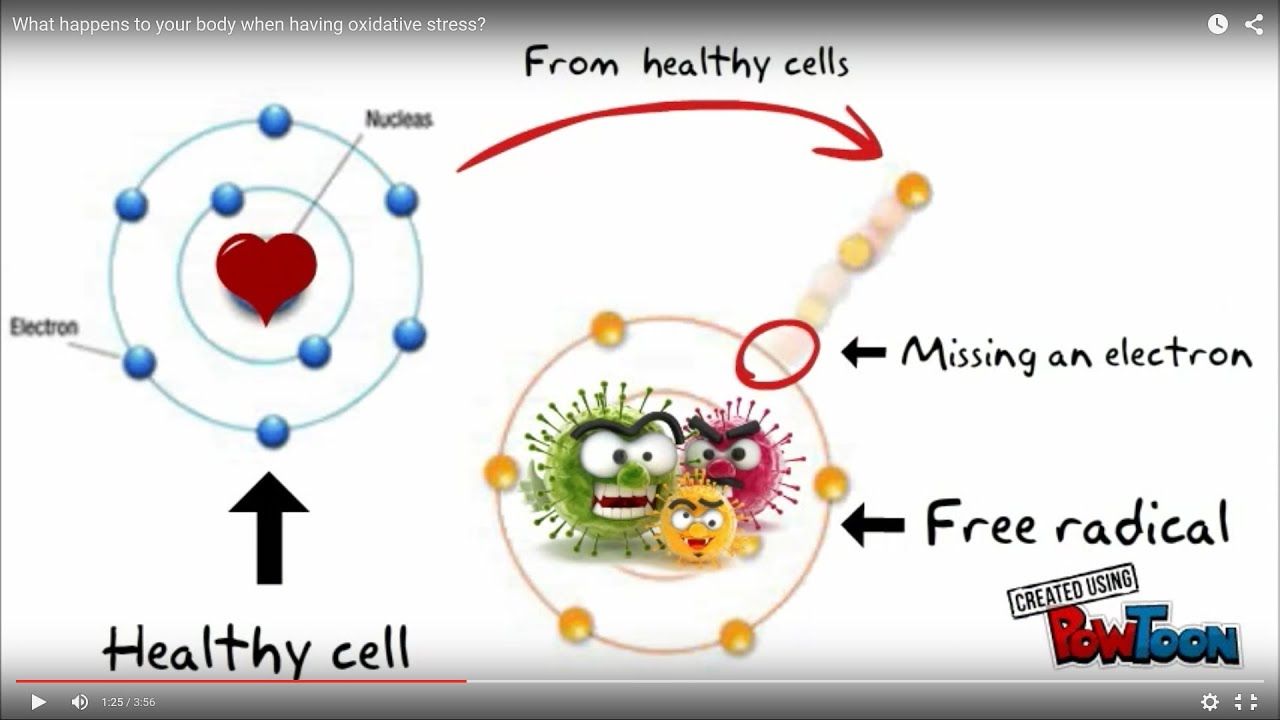
How Free Radicals Are Formed in the Body
Your body does not create free radicals by mistake. Many are produced naturally during survival processes.
Natural Sources
• Cellular respiration (energy production)
• Immune response against infections
• Exercise metabolism
• Inflammation
External Sources
Modern lifestyle significantly increases oxidative burden:
• Air pollution
• UV radiation
• Smoking
• Processed foods
• Chronic psychological stress
• Alcohol intake
• Environmental toxins
Scientific literature shows environmental exposure strongly correlates with oxidative biomarkers.
Why Oxidative Stress Matters: The Cellular Damage Mechanism
Let’s imagine your cell as a well-organized city.
Free radicals behave like sparks. A few sparks are manageable. Too many sparks start fires.
Oxidative burden or stress triggers:
- Lipid Peroxidation
Free radicals attack fats in cell membranes, making cells fragile and leaky.
- DNA Damage
Mutations may occur, increasing risk for aging and disease development.
- Protein Oxidation
Enzymes lose their structure and stop functioning properly.
- Mitochondrial Dysfunction
Energy production declines, leading to fatigue and accelerated aging.
Research by Halliwell and Gutteridge, leading oxidative stress researchers, describes this cascade as a core driver of biological aging.
Oxidative Stress and Aging: The Free Radical Theory
The Free Radical Theory of Aging, first proposed by Denham Harman, suggests aging results partly from accumulated oxidative damage.
Studies show oxidative stress contributes to:
• Wrinkles and skin aging
• Loss of collagen
• Cognitive decline
• Reduced metabolic efficiency
Skin cells are especially vulnerable because UV exposure generates large amounts of reactive oxygen species.
That is why antioxidants are widely used in dermatology and anti-aging skincare.
Diseases Linked to Oxidative Stress
Evidence from clinical and epidemiological studies connects oxidative stress with multiple conditions.
Cardiovascular Disease
Oxidized LDL cholesterol promotes plaque formation in arteries.
Diabetes
Oxidative burden or stress damages pancreatic beta cells and worsens insulin resistance.
Neurodegenerative Disorders
Linked with Alzheimer’s and Parkinson’s disease through neuronal damage.
Cancer
DNA mutations caused by oxidative injury may contribute to tumor initiation.
Chronic Inflammation
Inflammation and oxidative burden or stress reinforce each other in a harmful cycle.
Researchers now consider oxidative burden a shared biological pathway in chronic diseases.
Common Symptoms Associated With High Oxidative Stress
Oxidative burden or stress does not appear suddenly. It develops gradually.
Possible signs include:
• Persistent fatigue
• Brain fog
• Premature skin aging
• Frequent infections
• Joint discomfort
• Slow recovery after illness
• Increased inflammation
These symptoms are nonspecific but often linked with elevated oxidative markers.
How the Body Defends Itself: Antioxidant System
Your body already has an advanced defense network.
Enzymatic Antioxidants
• Superoxide dismutase (SOD)
• Catalase
• Glutathione peroxidase
Non-Enzymatic Antioxidants
• Vitamin C
• Vitamin E
• Glutathione
• Polyphenols
• Carotenoids
Scientific evidence shows balance, not elimination of free radicals, is essential because ROS also participate in signalling and immunity.
Best Ways to Reduce Oxidative Stress Naturally
Small daily habits make measurable biological differences.
- Eat Antioxidant-Rich Foods
Focus on colorful plant foods:
• Berries
• Green tea
• Spinach
• Nuts
• Turmeric
• Dark chocolate (high cocoa)
Polyphenols neutralize free radicals and support cellular repair.
- Improve Sleep Quality
Poor sleep increases oxidative markers and inflammation.
Aim for consistent circadian rhythm.
- Regular Moderate Exercise
Exercise initially produces ROS but strengthens antioxidant defenses long term.
- Reduce Ultra-Processed Foods
High sugar and trans fats increase oxidative pathways.
- Manage Psychological Stress
Chronic stress elevates cortisol and oxidative damage.
Mindfulness, prayer, breathing exercises, or nature exposure help regulate stress biology.
- Protect Skin From UV Radiation
Daily sunscreen reduces photo-oxidative damage. Read our blog “Use Sunscreen This Way to Avoid 9 Dangerous Skin Aging Mistakes”
Oxidative Stress and Nutrition:
Research indexed in The Journal of Clinical Biochemistry and Nutrition shows dietary antioxidants correlate with reduced oxidative biomarkers.
Key nutrients include:
• Vitamin C for aqueous environments
• Vitamin E for lipid membranes
• Selenium for enzyme activation
• Omega-3 fatty acids for inflammation regulation
• Polyphenols for mitochondrial protection
Whole foods consistently outperform isolated supplements in long-term studies.
Biomarkers Used to Measure Oxidative Stress
Oxidative stress biomarkers are measurable biological indicators that help scientists and clinicians understand how much oxidative damage is occurring inside the body. Since oxidative stress cannot be seen directly, researchers rely on specific molecules formed during cellular damage. These biomarkers reflect oxidation of lipids, proteins, and DNA caused by reactive oxygen species.
Studies published in oxidative biology and clinical biochemistry literature demonstrate that elevated biomarker levels are associated with aging, chronic inflammation, cardiovascular disease, and metabolic disorders. Monitoring these markers allows researchers to evaluate antioxidant status, disease progression, and the effectiveness of lifestyle or nutritional interventions aimed at reducing oxidative stress.
Clinically, researchers evaluate it using:
• Malondialdehyde (MDA)
• 8-OHdG (DNA oxidation marker)
• Total antioxidant capacity (TAC)
• Glutathione levels
These markers help scientists understand disease progression and treatment responses.
Oxidative Stress Blood Test
An oxidative burden or stress blood test is a laboratory assessment designed to measure the balance between free radicals and antioxidant defences in the body. Instead of detecting oxidative stress directly, these tests analyze surrogate markers such as total antioxidant capacity (TAC), glutathione levels, oxidized LDL, and lipid peroxidation products circulating in the bloodstream.
Healthcare professionals may recommend blood testing in research settings, longevity assessments, or chronic disease monitoring to evaluate cellular health. Scientific evidence suggests that abnormal results may indicate increased inflammation, environmental toxin exposure, poor metabolic health, or accelerated biological aging.
While oxidative burden blood tests are still evolving in clinical practice, they are becoming increasingly relevant in preventive medicine, biohacking, and personalised wellness approaches focused on early detection and cellular optimisation.
Human biology evolved for natural environments.
Today we experience:
• Artificial lighting
• Pollution exposure
• Sedentary routines
• High mental stress
This mismatch increases oxidative load beyond evolutionary adaptation.
Understanding oxidative burden or stress allows preventive healthcare rather than reactive treatment.
Future of Medicine:
Modern research explores:
• Mitochondrial antioxidants
• Nutrigenomics
• Personalized nutrition
• Anti-inflammatory therapies
Scientists now view oxidative balance as a cornerstone of longevity medicine.
FAQs:
How do antioxidants reduce oxidative stress?
They neutralize free radicals and prevent cellular damage before it spreads.
Do antioxidants really slow aging?
They slow biological processes linked with aging by protecting DNA, collagen, and mitochondria.
Are topical antioxidants effective?
Yes. Studies show topical antioxidants enhance skin protection and reduce photoaging.
Which antioxidant is best for skin?
Vitamin C combined with Vitamin E and polyphenols provides strong protection.
Can antioxidants increase lifespan?
They support cellular health and longevity pathways, which may promote healthy aging.
Key Takeaway
Antioxidants are not just skincare ingredients or nutrition trends.
They are fundamental biological defenders working at microscopic levels to maintain balance between damage and repair.
When oxidative stress decreases, cells function better, skin ages slower, and long-term health improves.
Longevity begins with protecting the smallest unit of life, the cell.
Read “Antioxidants 101: Secret to Anti-Aging & Longevity you are Missing”.
For more wellness related content visit www.beautynwellnesshub.com
Anti Aging Miracles of Alpha Lipoic Acid: 12 Powerful Reasons It’s Called the Universal Antioxidant



- Be Respectful
- Stay Relevant
- Stay Positive
- True Feedback
- Encourage Discussion
- Avoid Spamming
- No Fake News
- Don't Copy-Paste
- No Personal Attacks
- Be Respectful
- Stay Relevant
- Stay Positive
- True Feedback
- Encourage Discussion
- Avoid Spamming
- No Fake News
- Don't Copy-Paste
- No Personal Attacks
