Protein Needs by Age Explained: A Doctor-Verified Nutrition Guide
Published: 28 Dec 2025
Introduction: Why Protein Needs Change With Age
While discussing protein needs by age, Let me tell you, Protein is not just a gym supplement or a muscle-building nutrient. It is the foundation of life itself. Every cell in your body relies on protein for structure, repair, immunity, hormone production, and metabolism.
What many people do not realize is that protein needs are not the same at every stage of life. A growing child, a working adult, and an elderly person all require protein for different biological reasons. Ignoring these differences can quietly lead to growth issues, fatigue, muscle loss, weak immunity, and poor recovery.
Let us break this down clearly and practically so you know exactly how much protein is needed at each age and why.
What Is Protein and Why Is It Essential?
Protein is made up of amino acids, often called the building blocks of the body. These amino acids are used to:
• Build muscles, bones, skin, and hair
• Support immune defense
• Produce enzymes and hormones
• Maintain blood sugar balance
• Repair tissues and wounds
Some amino acids are essential, meaning the body cannot make them. They must come from food. This is why dietary protein quality matters, not just quantity.
How Protein Requirements Are Calculated
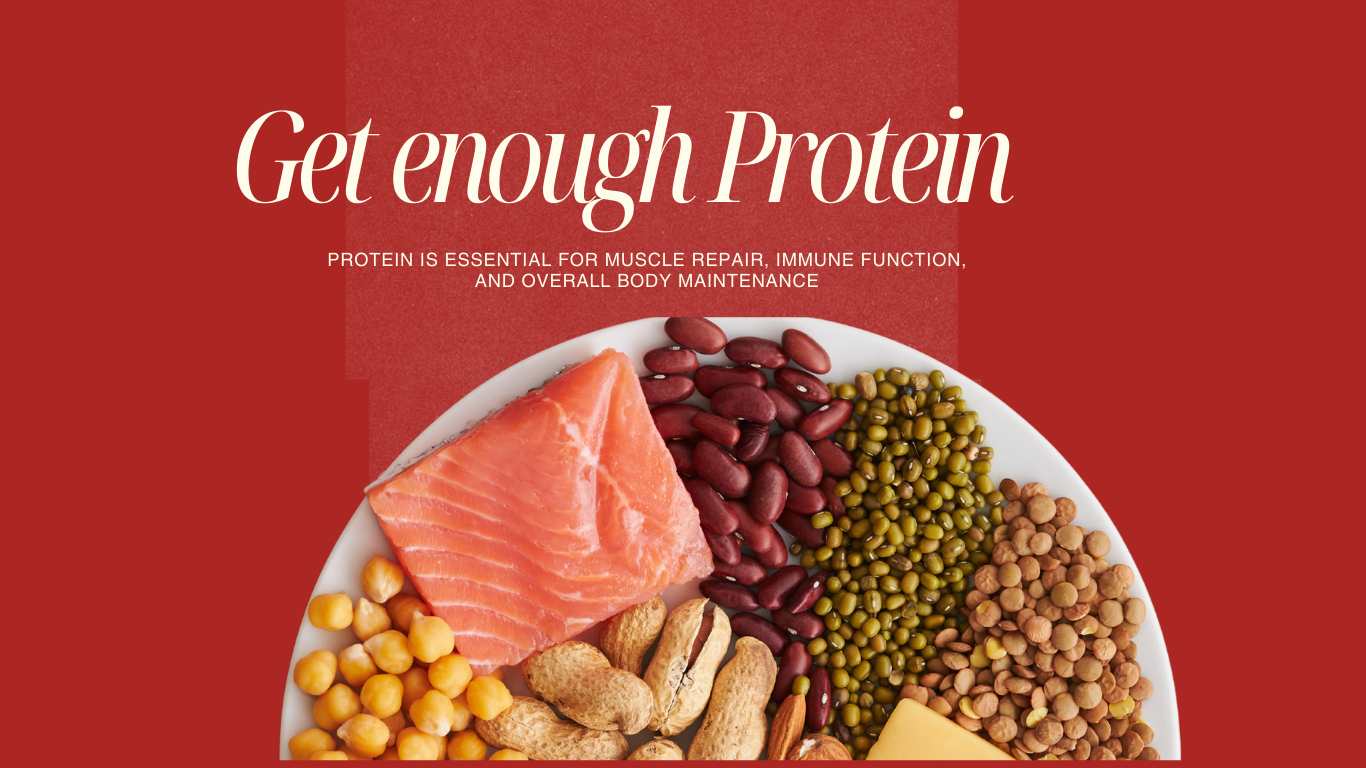
While calculating Protein needs by age or protein requirement by age, Protein needs are commonly expressed as grams per kilogram of body weight per day (g/kg/day). This approach accounts for body size and physiological demand.
Factors that influence protein needs include:
• Age
• Growth rate
• Physical activity
• Pregnancy or illness
• Muscle mass
• Digestive efficiency
Let us explore each age group separately to calculate protein needs by age.
Protein Needs for Children (1 to 18 Years)
Why Children Need Adequate Protein
Children are in a constant state of growth. Their bodies are building muscles, bones, organs, enzymes, and immune cells all at once. Protein deficiency during childhood can affect height, cognitive development, immunity, and even future metabolic health.
Recommended Protein Intake for Children
According to WHO and ICMR guidelines:
• 1 to 3 years: 1.05 g/kg/day
• 4 to 8 years: 0.95 g/kg/day
• 9 to 13 years: 0.95 g/kg/day
• 14 to 18 years:
• Boys: 0.85 g/kg/day
• Girls: 0.80 g/kg/day
Signs of Low Protein Intake in Children
• Poor growth or delayed height gain
• Frequent infections
• Low energy and fatigue
• Hair thinning
• Delayed wound healing
Best Protein Sources for Children
• Milk, yogurt, cheese
• Eggs
• Lentils and beans
• Chicken and fish
• Peanut butter
• Soy products
Tip for parents: Protein should be spread across meals rather than loaded into one meal.
Protein Needs for Adults (19 to 59 Years)
Why Adults Still Need High-Quality Protein
In adulthood, protein supports muscle maintenance, metabolic health, hormone balance, and immune function. Sedentary lifestyles, stress, and poor diets often reduce protein intake without people realizing it.
Recommended Protein Intake for Adults
Standard recommendation:
• 0.8 g/kg/day for sedentary adults
Updated research suggests optimal intake is higher for better health:
• 1.0 to 1.2 g/kg/day for active adults
• 1.2 to 1.5 g/kg/day for physically demanding jobs or exercise
Example:
A 65 kg adult may need 65 to 78 grams of protein per day depending on activity.
Why Many Adults Are Still Protein Deficient
• Skipping breakfast
• High refined carbohydrate intake
• Fear of weight gain
• Poor protein distribution across meals
Signs of Inadequate Protein in Adults
• Muscle weakness
• Slow recovery from illness
• Hair fall and brittle nails
• Low immunity
• Persistent fatigue
Protein Needs for Elderly (60 Years and Above)
Why Protein Needs Increase With Age
Aging is associated with sarcopenia, the gradual loss of muscle mass and strength. Digestive efficiency also declines, meaning older adults absorb protein less effectively.
Scientific evidence now confirms that elderly individuals need more protein, not less.
Recommended Protein Intake for Elderly
According to ESPEN and recent clinical studies:
• 1.0 to 1.2 g/kg/day for healthy elderly
• 1.2 to 1.5 g/kg/day for elderly with illness or frailty
Benefits of Adequate Protein in Elderly
• Preserves muscle mass
• Reduces fall risk
• Supports bone strength
• Improves immunity
• Enhances recovery after illness
Best Protein Sources for Elderly
• Soft cooked eggs
• Yogurt and curd
• Fish
• Lentils and dals
• Cottage cheese
• Protein-rich soups
Protein should be paired with light physical activity like walking or resistance exercises for maximum benefit.
Animal vs Plant Protein: Does Source Matter?
Yes, source matters but balance is key.
Animal Proteins
• Complete amino acid profile
• High bioavailability
• Examples: eggs, meat, dairy, fish
Plant Proteins
• Rich in fiber and antioxidants
• Slightly lower digestibility
• Examples: lentils, beans, soy, nuts
Best approach: Combine both to achieve nutritional balance.
Common Myths About Protein
Myth 1: High protein damages kidneys
Healthy individuals with normal kidney function tolerate recommended protein intake safely.
Myth 2: Protein is only for bodybuilders
Protein is essential for everyone, especially children and elderly.
Myth 3: Plant protein is inferior
When combined properly, plant proteins fully meet requirements.
Practical Daily Protein Distribution
Instead of eating all protein in one meal:
• Breakfast: 20 to 25 percent
• Lunch: 30 to 35 percent
• Dinner: 30 to 35 percent
• Snacks: remaining amount
This improves absorption and muscle protein synthesis.
How much protein should I eat per day?
It depends on age, weight, and activity. Adults generally need 0.8 to 1.2 g/kg/day.
Can children consume protein supplements?
Whole foods are preferred. Supplements should only be used under medical advice.
Is high protein safe for elderly?
Yes, when kidney function is normal and intake is balanced.
What happens if protein intake is too low?
Muscle loss, weak immunity, slow healing, fatigue, and hormonal imbalance may occur.
Is protein needed every day?
Yes. The body does not store protein long-term like fat.
How much protein do people need worldwide?
Protein needs are universal and based on body weight, age, and activity level. WHO recommends 0.8 g/kg/day for adults globally.
Are protein requirements different across countries?
No. Human protein needs are biologically similar worldwide. Dietary sources vary by culture.
Is plant-based protein sufficient for all ages?
Yes, when combined properly to provide essential amino acids.
Do elderly people around the world need more protein?
Yes. Aging muscles respond less efficiently to protein, increasing daily needs.
Final Thoughts: Protein Is a Lifelong Priority
Protein needs evolve as we age, but the importance never fades. From supporting growth in childhood to preserving independence in old age, protein plays a silent yet powerful role.
Understanding age-specific protein needs allows you to make smarter dietary choices that support longevity, strength, and overall well-being.
If there is one nutritional habit worth building, it is ensuring adequate, high-quality protein every single day.
Stay connected at www.beautynwellnesshub.com for fitness and beauty related updates.
| Medical Disclaimer |
|---|
|
This article is for educational purposes only and does not replace professional medical or nutritional advice. Individuals with medical conditions should consult a qualified healthcare provider before making dietary changes. |
References:
- World Health Organization. Protein and Amino Acid Requirements in Human Nutrition. WHO Technical Report Series.
- Institute of Medicine. Dietary Reference Intakes for Energy, Carbohydrate, Fiber, Fat, Fatty Acids, Cholesterol, Protein, and Amino Acids.
- Wolfe RR, Miller SL. The recommended dietary allowance of protein. Journal of Nutrition.
- Bauer J et al. Evidence-based recommendations for optimal dietary protein intake in older people. Clinical Nutrition.
- Phillips SM. Protein requirements and supplementation in aging. American Journal of Clinical Nutrition.
- ICMR-NIN. Nutrient Requirements for Indians.






- Be Respectful
- Stay Relevant
- Stay Positive
- True Feedback
- Encourage Discussion
- Avoid Spamming
- No Fake News
- Don't Copy-Paste
- No Personal Attacks
- Be Respectful
- Stay Relevant
- Stay Positive
- True Feedback
- Encourage Discussion
- Avoid Spamming
- No Fake News
- Don't Copy-Paste
- No Personal Attacks
