Thyroid Dysfunction and Micronutrient Deficiencies: The secret Piece in Hormone imbalance
Published: 15 Feb 2026
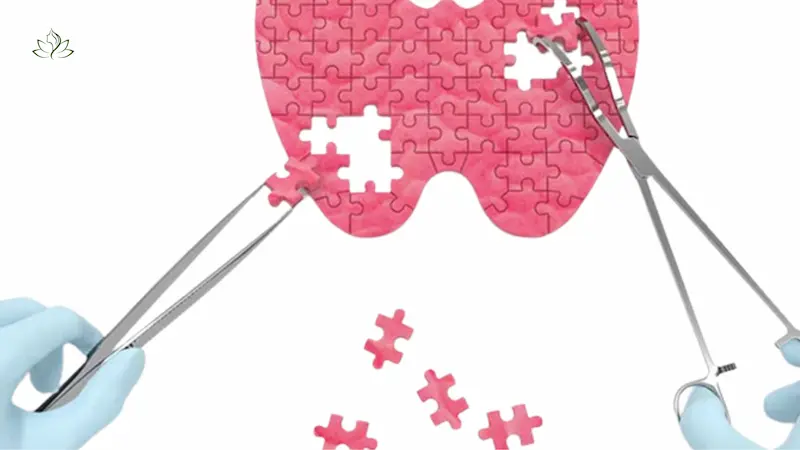
Table of Contents
Introduction:
Before starting discussion on Thyroid Dysfunction and Micronutrient Deficiencies, Let me tell you that Thyroid disorders are increasing worldwide. Hypothyroidism, hyperthyroidism, autoimmune thyroiditis, subclinical thyroid imbalance, and thyroid nodules are now common even in young adults.
Yet here is something surprising.
Many people treat thyroid dysfunction only with hormone replacement and never ask the deeper question. Why did the thyroid become dysfunctional in the first place? In many cases, the missing piece is micronutrient deficiency. Yes, tiny nutrients with massive hormonal impact. Let us unpack this scientifically, conversationally, and clearly.
Thyroid Dysfunction and Micronutrient Deficiencies: The Missing Piece
Understanding Thyroid Function in Simple Words
Your thyroid gland produces T4 and T3 hormones. These regulate metabolism, brain function, fertility, heart rate, gut motility, skin health, and energy levels.
But here is the key.
The thyroid cannot function properly without specific micronutrients.
These nutrients are not optional. They are biochemical necessities.
According to endocrinology textbooks such as Williams Textbook of Endocrinology and research published in journals like Thyroid and The Journal of Clinical Endocrinology and Metabolism, micronutrients directly influence:
- Thyroid hormone synthesis
- T4 to T3 conversion
- Autoimmune regulation
- Thyroid receptor sensitivity
- Oxidative stress control
When there is nutrient deficiency , thyroid imbalance worsens.
The Core Micronutrients Linked to Thyroid Dysfunction
Let us discuss the major ones backed by clinical research.
1. Iodine Deficiency and Thyroid Disorders
odine is the structural backbone of thyroid hormones.
T4 contains four iodine molecules.
T3 contains three iodine molecules.
Without iodine, hormone production declines.
According to WHO data and multiple global epidemiological studies, iodine deficiency remains a leading cause of hypothyroidism and goiter worldwide.
However, too much iodine can also trigger autoimmune thyroiditis.
So balance matters.
2. Selenium Deficiency and Autoimmune Thyroid Disease
Selenium is crucial for:
- Converting T4 into active T3
- Protecting thyroid tissue from oxidative damage
- Regulating immune response
Research from Rayman 2012 and subsequent meta analyses show selenium supplementation may reduce thyroid peroxidase antibodies in Hashimoto thyroiditis.
The thyroid contains more selenium per gram than most organs.
Low selenium increases oxidative stress, worsening autoimmune thyroid disease.
3. ron Deficiency and Hypothyroidism
This one is frequently missed.
Iron is required for thyroid peroxidase enzyme activity. Without adequate iron, thyroid hormone synthesis declines.
Studies published in Nutrients and The American Journal of Clinical Nutrition show that iron deficiency anemia is associated with impaired thyroid metabolism.
Women of reproductive age are especially vulnerable.
If someone has fatigue, hair fall, and hypothyroid symptoms with normal TSH, iron deficiency should be evaluated.
4. Zinc Deficiency and Thyroid Hormone Conversion
Zinc plays a role in:
- TSH regulation
- T4 to T3 conversion
- Immune modulation
Clinical studies indicate zinc deficiency can lower T3 levels and impair thyroid receptor function.
Zinc supplementation in deficient individuals has shown improvement in metabolic markers.
5. Vitamin D and Autoimmune Thyroiditis
Vitamin D is an immune regulator.
Low vitamin D levels are consistently associated with:
- Hashimoto thyroiditis
- Graves disease
- Increased thyroid antibodies
A 2020 meta analysis found that patients with autoimmune thyroid disease had significantly lower vitamin D levels compared to controls.
Correcting vitamin D deficiency may reduce antibody titers and inflammation.
6. Vitamin B12 and Thyroid Fatigue
Up to 40 percent of patients with autoimmune thyroid disease have B12 deficiency.
Symptoms overlap significantly:
- Fatigue
- Brain fog
- Neuropathy
- Depression
If thyroid medication is optimised but symptoms persist, B12 status should be checked.
The Oxidative Stress Connection with Thyroid Dysfunction and Micronutrient Deficiencies
Thyroid hormone production generates hydrogen peroxide as a byproduct. This means the thyroid is highly vulnerable to oxidative damage or oxidative stress. Antioxidant nutrients like selenium, zinc, vitamin C, and vitamin E are protective. Chronic micronutrient deficiency increases inflammation and accelerates thyroid tissue damage. This is particularly relevant in autoimmune thyroid disease.
Why Thyroid Medication Alone Is Not Enough
Levothyroxine replaces T4.
But it does not:
- Correct selenium deficiency
- Replenish iron stores
- Improve zinc dependent conversion
- Address vitamin D mediated autoimmunity
So patients may have normal lab values but persistent symptoms. This is why a comprehensive micronutrient evaluation matters. Functional thyroid care integrates both hormone levels and nutritional status.
Evidence Based Testing Approach
For patients with thyroid dysfunction, consider evaluating:
- Serum ferritin
- Vitamin D 25 OH
- Vitamin B12
- Plasma zinc
- Selenium status if available
- Urinary iodine in selected cases
Interpret results clinically, not in isolation.
Global Perspective on Thyroid and Nutrition
As far as Thyroid Dysfunction and Micronutrient Deficiencies are concerned globally, In developing regions, iodine and iron deficiency remain prevalent. In developed countries, autoimmune thyroid disease linked with vitamin D and selenium insufficiency is rising. Urban diets, processed foods, soil depletion, and chronic stress contribute significantly. Thyroid dysfunction is rarely just hormonal. It is metabolic and nutritional.
Practical Dietary Strategy for Thyroid Support to cure Thyroid Dysfunction and Micronutrient Deficiencies
Include:
- Iodized salt in moderate amounts
- Seafood for iodine and selenium
- Brazil nuts in small quantities
- Eggs for selenium and B12
- Lean red meat for iron and zinc
- Pumpkin seeds for zinc
- Sunlight exposure for vitamin D
- Leafy greens for iron
Avoid unnecessary megadoses without lab confirmation.
FAQs:
Can micronutrient deficiency cause hypothyroidism?
Yes. Iodine, iron, selenium, and zinc deficiencies can impair thyroid hormone synthesis and conversion, leading to functional hypothyroidism.
Does selenium improve Hashimoto thyroiditis?
Clinical studies suggest selenium may reduce thyroid antibody levels in selenium deficient individuals. It is not a cure but can be supportive.
Should everyone with thyroid disease take supplements?
No. Supplementation should be based on laboratory testing and medical supervision.
Why do I still feel tired despite normal thyroid labs?
Persistent fatigue may be due to iron deficiency, B12 deficiency, vitamin D deficiency, or poor T4 to T3 conversion.
Is vitamin D important for thyroid health?
Yes. Vitamin D plays an immunomodulatory role and is often low in autoimmune thyroid disease.
Key Takeaway:
Thyroid dysfunction is not always just a gland problem. It is often a nutrient problem hiding beneath lab reports. When micronutrient deficiencies are corrected thoughtfully and scientifically, many patients experience better energy, improved mood, reduced hair fall, and better metabolic stability. The future of thyroid care is integrative, evidence based, and nutritionally aware. Because sometimes the smallest nutrients hold the biggest answers.
Read full article about “Hidden Nutrient Deficiencies in Adults & Children: Early Signs Doctors Often Miss”
For more wellness related content visit www.beautynwellnesshub.com

Poor Pregnancy Outcomes and Hidden Nutrient Deficiencies: 7 Shocking Risks Every Mother Must Know




- Be Respectful
- Stay Relevant
- Stay Positive
- True Feedback
- Encourage Discussion
- Avoid Spamming
- No Fake News
- Don't Copy-Paste
- No Personal Attacks
- Be Respectful
- Stay Relevant
- Stay Positive
- True Feedback
- Encourage Discussion
- Avoid Spamming
- No Fake News
- Don't Copy-Paste
- No Personal Attacks
