Yoga and Pilates Workout: Evidence-Based Benefits, Poses, and 10-Minute Routines
Published: 9 Feb 2026
Table of Contents
Introduction:
Why the World Is Moving Toward Yoga and Pilates workout Together
If you look at global fitness trends, one pattern stands out. People are shifting away from extreme workouts and moving toward sustainable movement systems. This is where a yoga and pilates workout quietly dominates.
Yoga brings breath, mobility, and nervous system balance. Pilates adds core control, spinal stability, and muscular precision. When practiced together, they form a complete mind body system that supports strength, posture, flexibility, and long-term joint health.
Clinical research now confirms what practitioners have felt for years. Yoga and Pilates together improve physical performance, mental resilience, and quality of life across all ages.
This guide breaks down the science, the benefits, the poses, and how to build a realistic routine that fits into daily life.
What Is a Yoga and Pilates Workout?
A yoga and pilates workout blends traditional yoga postures with Pilates-based controlled movements. The focus stays on alignment, breathing, and intentional motion rather than speed or exhaustion.
Yoga primarily emphasizes
- Flexibility
- Breath regulation
- Mindfulness
- Joint mobility
Pilates primarily emphasizes
- Core strength
- Spinal alignment
- Muscle balance
- Neuromuscular control
When combined, the body trains as a single connected system.
Evidence-Based Yoga and Pilates Benefits
Scientific literature increasingly supports the combined practice of yoga and Pilates for both prevention and rehabilitation.
1. Core Strength and Postural Control
A randomized controlled trial published in The Journal of Bodywork and Movement Therapies found Pilates significantly improves deep core activation, especially the transversus abdominis. Yoga enhances postural awareness, which improves how that strength transfers into daily movement.
This combination reduces lower back pain and postural fatigue.
2. Flexibility Without Joint Instability
Yoga improves muscle length and fascial elasticity. Pilates stabilizes joints while muscles lengthen. According to research in Complementary Therapies in Medicine, yoga improves range of motion while Pilates prevents excessive joint strain.
This makes the combination safer than aggressive stretching alone.
3. Mental Health and Stress Regulation
A systematic review in Frontiers in Psychology showed yoga reduces cortisol and improves emotional regulation. Pilates improves body awareness and cognitive focus. Together, they regulate the autonomic nervous system and improve stress resilience.
4. Long-Term Functional Fitness
Unlike short-term fitness trends, yoga and pilates for life promote longevity. Studies in Clinical Interventions in Aging show consistent practice improves balance, coordination, and mobility in older adults.
This makes it ideal for lifelong movement.
Yoga and Pilates Workout 10 Minutes: Does It Actually Work?
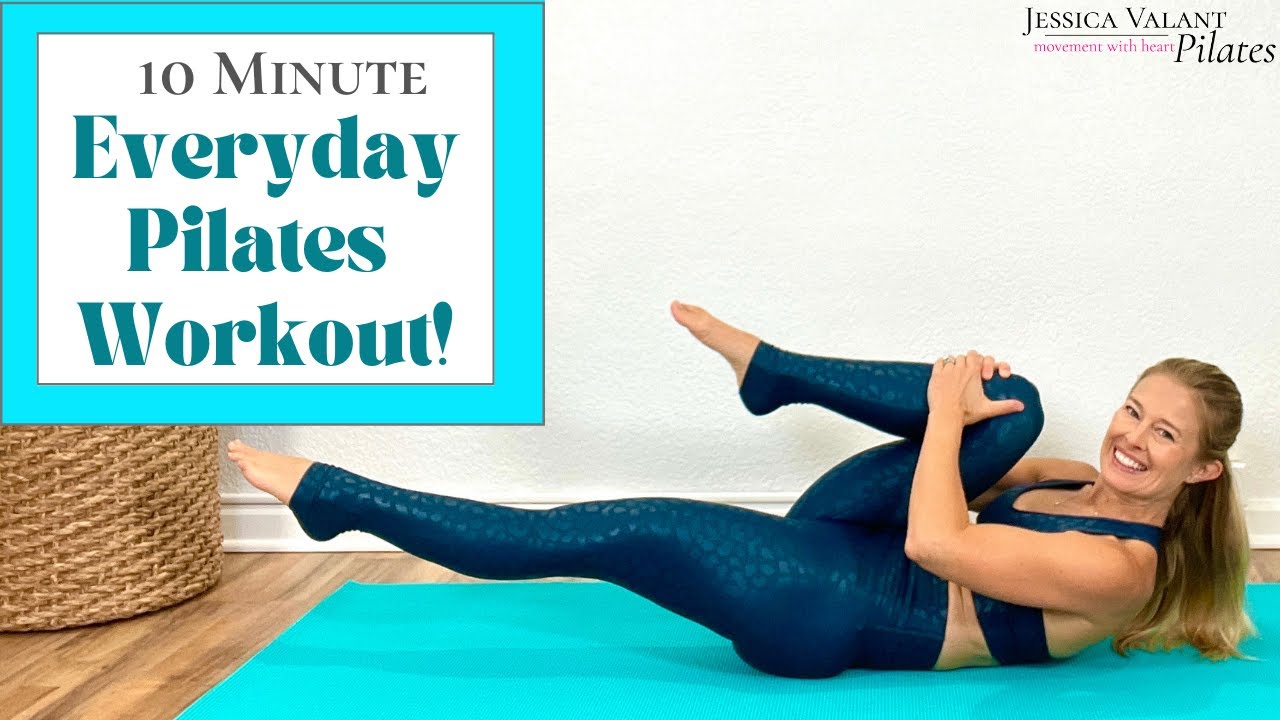
Yes, when structured correctly.
Research confirms short, consistent sessions improve neuromuscular adaptation. A 10-minute yoga and pilates workout can activate stabilizing muscles, improve circulation, and reset posture if practiced daily.
Sample 10-Minute Routine
Minute 1–2
Breathing with pelvic tilt and spinal awareness
Minute 3–4
Cat Cow combined with Pilates spinal articulation
Minute 5–6
Plank hold with controlled breathing
Minute 7–8
Low lunge with core engagement
Minute 9–10
Seated spine twist and diaphragmatic breathing
This routine targets mobility, strength, and nervous system regulation.
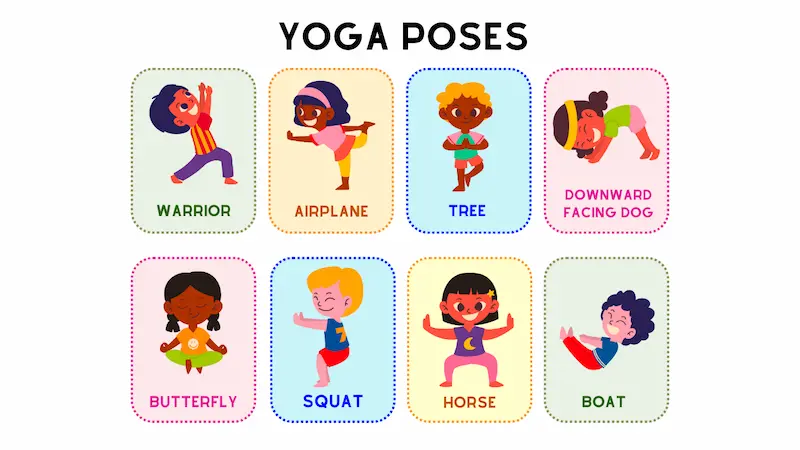
| Essential Yoga and Pilates Poses for a Balanced Body |
|---|
|
Foundational Yoga and Pilates Poses
Each pose complements the other system, creating balance rather than overload. |
Yoga and Pilates Accessories That Actually Help
Accessories are not mandatory, but evidence shows they improve alignment and safety.
Most Effective Yoga and Pilates Accessories
- Yoga mat with medium grip
- Pilates ring for neuromuscular feedback
- Resistance bands for progressive load
- Yoga blocks for joint support
- Small Pilates ball for core activation
A study in Sports Biomechanics showed accessories improve proprioception and reduce compensatory movement patterns.
Yoga and Pilates Teacher Training: Who Should Consider It?
Yoga and pilates teacher training is no longer limited to fitness instructors. Healthcare professionals, physiotherapists, and wellness coaches increasingly pursue training to understand movement science.
Teacher training improves
- Anatomical knowledge
- Injury prevention skills
- Cueing precision
- Client safety
Research in Medical Education and Rehabilitation highlights improved clinical outcomes when instructors have structured movement education.
Yoga and Pilates Together vs Practiced Separately
Yoga alone improves flexibility and mental clarity. Pilates alone improves strength and control. Together, they address the full kinetic chain.
When practiced together
- Muscles lengthen and strengthen simultaneously
- Breathing improves movement efficiency
- Injury risk decreases
- Movement becomes sustainable
This is why elite athletes and rehabilitation programs integrate both systems.
Yoga and Pilates for Life: A Sustainable Movement Philosophy
Aging does not require stopping movement. It requires smarter movement.
Yoga and pilates for life support
- Joint health
- Bone density maintenance
- Balance and coordination
- Cognitive engagement
Longitudinal studies show consistent low-impact movement reduces fall risk and improves independence.
This is not exercise for a season. It is movement for decades.
FAQs:
Can beginners do a yoga and pilates workout?
Yes. Both systems are adaptable and scalable. Beginners benefit significantly due to improved body awareness.
Is yoga and pilates good for weight loss?
Indirectly, yes. Studies show improved metabolic efficiency, posture, and movement economy which supports fat loss when combined with nutrition. Read Our full article on “Can You Lose Weight Doing Pilates? 9 Powerful Truths That Shock Beginners”
How many times per week should I practice?
Three to five sessions per week shows optimal results in clinical studies.
Can yoga and pilates help back pain?
Yes. Strong evidence supports improved spinal stability and pain reduction.
Do I need equipment to start?
No. Accessories enhance practice but are optional.
Final Thoughts: Why This Workout Model Outperforms Fitness Trends
A yoga and pilates workout is not popular because it looks aesthetic. It works because it respects human biomechanics.
Science supports it. Clinicians recommend it. Practitioners stay with it.
If your goal is strength without injury, flexibility without instability, and movement that lasts a lifetime, this integrated system delivers exactly that.
For more fitness related tips visit www.beautynwellnesshub.com






- Be Respectful
- Stay Relevant
- Stay Positive
- True Feedback
- Encourage Discussion
- Avoid Spamming
- No Fake News
- Don't Copy-Paste
- No Personal Attacks
- Be Respectful
- Stay Relevant
- Stay Positive
- True Feedback
- Encourage Discussion
- Avoid Spamming
- No Fake News
- Don't Copy-Paste
- No Personal Attacks
