Heatwave Crisis: 7 Powerful Fixes for Dehydration, Skin & Sunscreen Mistakes
Published: 1 May 2026
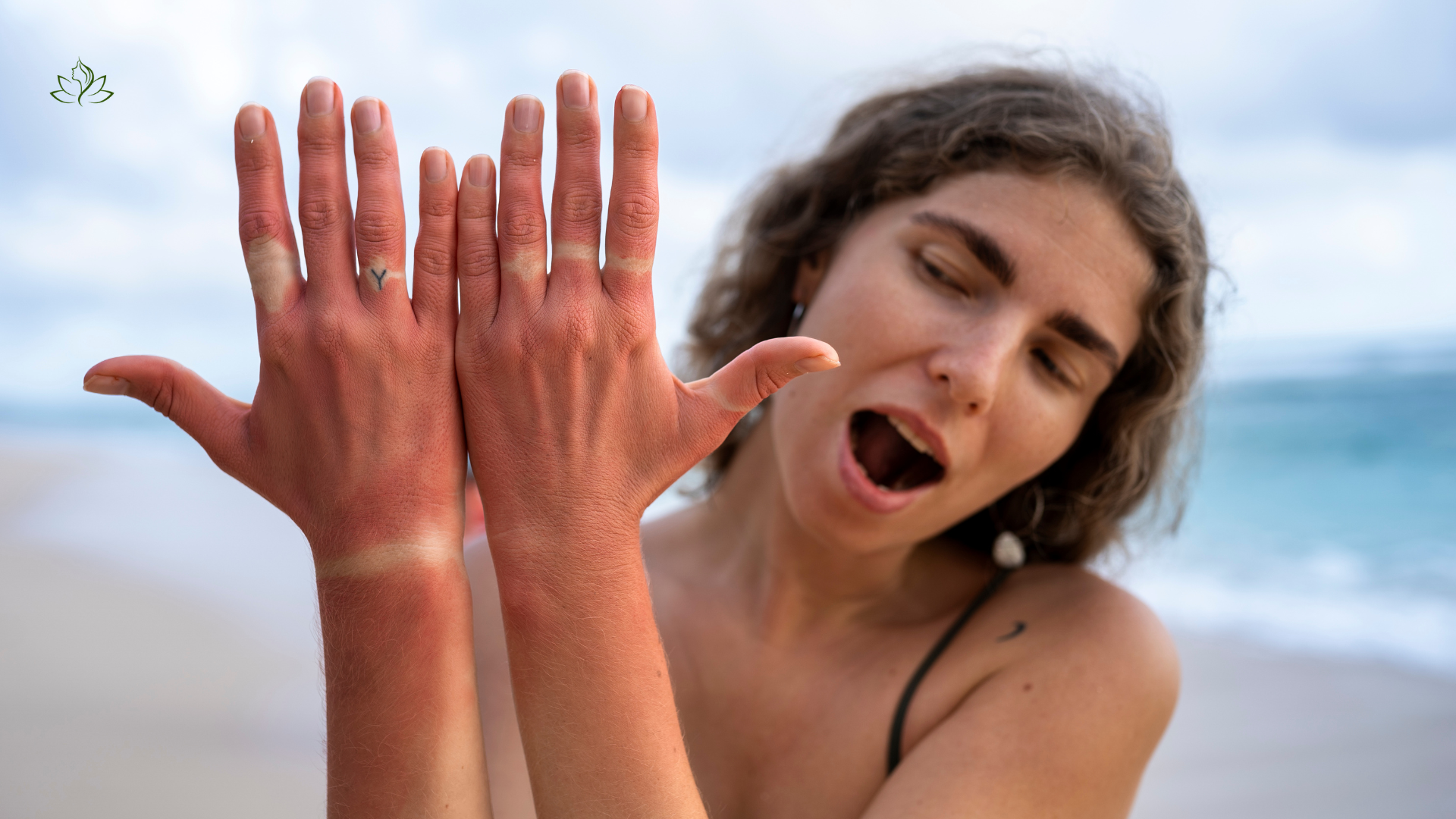
Table of Contents
Heatwave Crisis: 7 Powerful Fixes for Dehydration, Skin Darkening & Sunscreen Mistakes You Can’t Ignore
Introduction: When the Sun Feels Like an Enemy
Let’s be honest. Walking outside during a heatwave feels like opening an oven door. It’s not just uncomfortable; it’s dangerous. Recently, the World Health Organization and World Meteorological Organization confirmed what we’ve all been feeling in our bones: 2024 was the hottest year on record, and things aren’t cooling down .
While we often talk about heatstroke, we don’t talk enough about heatwave crisis and what the heat is silently doing to your skin and hydration levels. You might think you’re protected with a splash of water and a layer of sunscreen, but the science is revealing some uncomfortable truths. Your SPF might be lying to you, and the heat alone might be making your skin darker, even if you sit in the shade.
Here are 7 powerful fixes to survive this heatwave crisis, backed by research, not internet rumors.
1. The “Water” Myth: Why Chugging Isn’t Enough for True Dehydration
If you think drinking a bottle of water instantly cures dehydration, you are missing half the story. During a heatwave, your body loses more than just water. You are flushing out sodium, potassium, and electrolytes that water alone cannot replace .
Research on body fluid homeostasis shows that as your core temperature rises during physical activity, your blood volume drops. This puts massive strain on your cardiovascular system . When you drink only plain water in massive quantities, you can actually dilute your blood sodium levels further, leading to a dangerous condition called hyponatremia.
The Powerful Fix: Swap out your third bottle of plain water for a carbohydrate-electrolyte solution. You don’t need expensive sports drinks; a pinch of salt and a squeeze of lemon in your water does wonders. This helps your body retain the fluid rather than just urinating it out . Also, eat water-rich foods like cucumber and watermelon. They release water slowly, keeping you hydrated longer.
2. The “Heat Blackening” Phenomenon: It’s Not the Sun, It’s the Temperature
Here is a twist that shocks most people: you can turn darker even without UV exposure. Recent groundbreaking research published in Advanced Science has identified a distinct “heat-induced melanogenesis” .
Scientists now confirm that high temperature during heatwave crisis, itself is an independent environmental factor that triggers skin pigmentation . Unlike the slow tan you get from the beach, heat triggers a different biological pathway. It activates the CX3CL1/CX3CR1 signaling axis, directly increasing melanin production even if UV rays are blocked . For context, older studies observed that exposure to 42°C during heatwave crisis frequently boosted tyrosinase activity – the enzyme responsible for melanin – to 115.2% compared to normal temperature . While real-world skin temperature is typically lower due to sweat, sustained heat on covered skin can still trigger this response.
The Powerful Fix: Keeping your skin physically cool is a beauty treatment. After sun exposure, apply a cooling, antioxidant-rich gel. Keep your sheet masks in the fridge. If you are commuting, carry a facial mist. The goal is to bring skin temperature down quickly to stop that “heat memory” from activating pigment production.
3. The Shocking Truth About Your SPF 50+ Sunscreen
We rely on sunscreen to be our armor, but what if that armor had massive holes? Recent investigations have triggered a global crisis of confidence in sunscreen. Testing on consumer products found that some brands claiming SPF 50+ actually tested as low as SPF 4 .
The Therapeutic Goods Administration (TGA) has identified that multiple brands share a “base formula” that fails to spread UV filters evenly. A poor base formula can cause UV filters to clump together, leaving unprotected spots on your skin . Separate research also confirms that poorly manufactured sunscreens might contain zero active UV filters—they are essentially just moisturizers with a misleading label .
The Powerful Fix: You need to treat sunscreen as a medicine, not a cosmetic. Don’t buy sunscreens from random online marketplaces where counterfeit goods are rampant . Stick to transparent brands that publish independent testing results. And never trust a sunscreen that separates in the bottle or feels gritty. If the formula is unstable, the protection is compromised, even if the bottle says 50+.
4. Sunscreen Application: You’re Putting It on Too Late
Here is a mistake almost everyone makes: applying sunscreen while standing in the sun or just before rushing out the door. Chemical sunscreens are not instant. They need time to bind to the skin and form a protective film. If the sun hits your skin before this film is set, your protection drops significantly.
The Powerful Fix: Apply sunscreen 15 to 20 minutes before you go outside. Make it the first thing you do when you wake up for the day, or apply it inside your air-conditioned office before leaving. And do not forget the “forgotten zones” – your ears, the back of your neck, and the tops of your feet. These spots are magnets for heat-induced skin damage.
5. Reapplication: Why “Once a Day” Is a Fairytale
Sunscreen labels play a psychological trick on us. Even a water-resistant sunscreen loses its structural integrity as it interacts with sweat and sebum on a scorching day . UV filters degrade. More importantly, we rub our faces, touch our skin, and sweat profusely during heatwaves. The layer that protected you at 9 AM is a patchy mess by noon.
The Powerful Fix: You must reapply every two hours, but realistically, no one with makeup wants to slather cream on their face. The modern solution is an SPF setting spray or powder. It’s not as thick as a cream, but it refreshes the protective layer perfectly over makeup and sweaty skin. Keep one on your desk.
6. The Overlooked UVA Trap And Your Windows
Think you’re safe inside an air-conditioned car or by a window? You’ve fallen into the UVA trap. UVB rays cause sunburn and are partially blocked by glass. But UVA rays – the “silent ageing” rays – penetrate deep into the dermis and go right through windows . These rays break down collagen and trigger pigmentation, especially in skin already sensitized by heat-induced inflammation.
The Powerful Fix: You need a broad-spectrum sunscreen. Look for a high UVA star rating (4 or 5 stars) or the letters “UVA” inside a circle on the packaging . If your sunscreen lacks a high UVA rating, you are protecting yourself from burns but not from ageing and heat-induced dark spots.
7. Heatstroke Mimics Skin Problems: Know the Signs
Finally, we must distinguish a bad skin reaction from a life-threatening emergency. Dehydration and heat stress reduce blood volume and increase vascular permeability, damaging endothelial cells . This leads to circulatory shock in severe cases. Before that, your skin sends warning signals. It’s not just about looking pale; it’s about the texture. If your skin goes from sweaty to completely dry and hot – despite the temperature – that’s a red flag.
The Powerful Fix: If someone stops sweating entirely in a hot environment, feels confused, or has a sudden spike in body temperature above 40°C, this is heatstroke . This is not the time for home remedies; it’s a medical emergency. For mild heat exhaustion, rest immediately in a cool place and drink an electrolyte solution. For heatstroke or heatwave crisis management, call emergency services.
Read Full Article on “Use Sunscreen This Way to Avoid 9 Dangerous Skin Aging Mistakes” .
Can heat really make me darker than the sun?
Not “darker than,” but “darkens alongside.” High ambient heat independently activates melanin synthesis in your skin through a specific protein pathway, even in the absence of intense UV . This means a hot, shady day is still a “darkening risk” day.
What is the absolute minimum SPF I should use during heatwaves?
Health authorities recommend a minimum of SPF 30 when the UV index is between 3 and 7, and SPF 50+ when the UV index is 8 or above . During a severe heatwave, assume the UV index is high and always opt for 50+.
Are expensive sunscreens always safer?
Not necessarily. The recent scandal showed that poor quality affects both cheap and premium brands that share faulty base formulas . Price is not the shield; transparency is. Look for brands that withstand independent scrutiny.
How do I know if I’m “heat-stressed” vs. just hot?
If moving to a cool room and drinking fluids stops your headache and dizziness within 30 minutes, you were just “too hot.” If symptoms persist or worsen, or you stop sweating, it’s likely heat stress requiring medical attention .
Does my water intake affect my skin tone during a heatwave?
Indirectly, yes. Proper hydration maintains skin barrier function and blood circulation. When you’re dehydrated, the skin looks dull and ashy, which makes pigmentation and dark spots look much worse.
Final Thoughts
The heatwave crisis is not just about discomfort; it’s a systemic attack on our body’s regulation systems. But by fixing these seven mistakes, you can walk into the sun – prepared, protected, and hydrated. The heat is here to stay. Your routine needs to fight back smarter, not harder.






- Be Respectful
- Stay Relevant
- Stay Positive
- True Feedback
- Encourage Discussion
- Avoid Spamming
- No Fake News
- Don't Copy-Paste
- No Personal Attacks
- Be Respectful
- Stay Relevant
- Stay Positive
- True Feedback
- Encourage Discussion
- Avoid Spamming
- No Fake News
- Don't Copy-Paste
- No Personal Attacks
